

On the afternoon of October 16, 2025, the Interior Design course at the School of Art and Design, Shanghai University of Engineering Science, hosted an industry sharing session under the theme "Office Space Design: Practice and Innovation." Organized by course instructor Tian Tingyi, the session featured two experts—Liu Fei, General Manager of Shanghai ADD Architecture Decoration Design Engineering Co., Ltd. ("ADD"), and Wang Jixiao, Design Director—who provided third-year undergraduate students in Environmental Design with insights bridging theoretical knowledge and practical application, helping students connect classroom learning with real-world challenges.
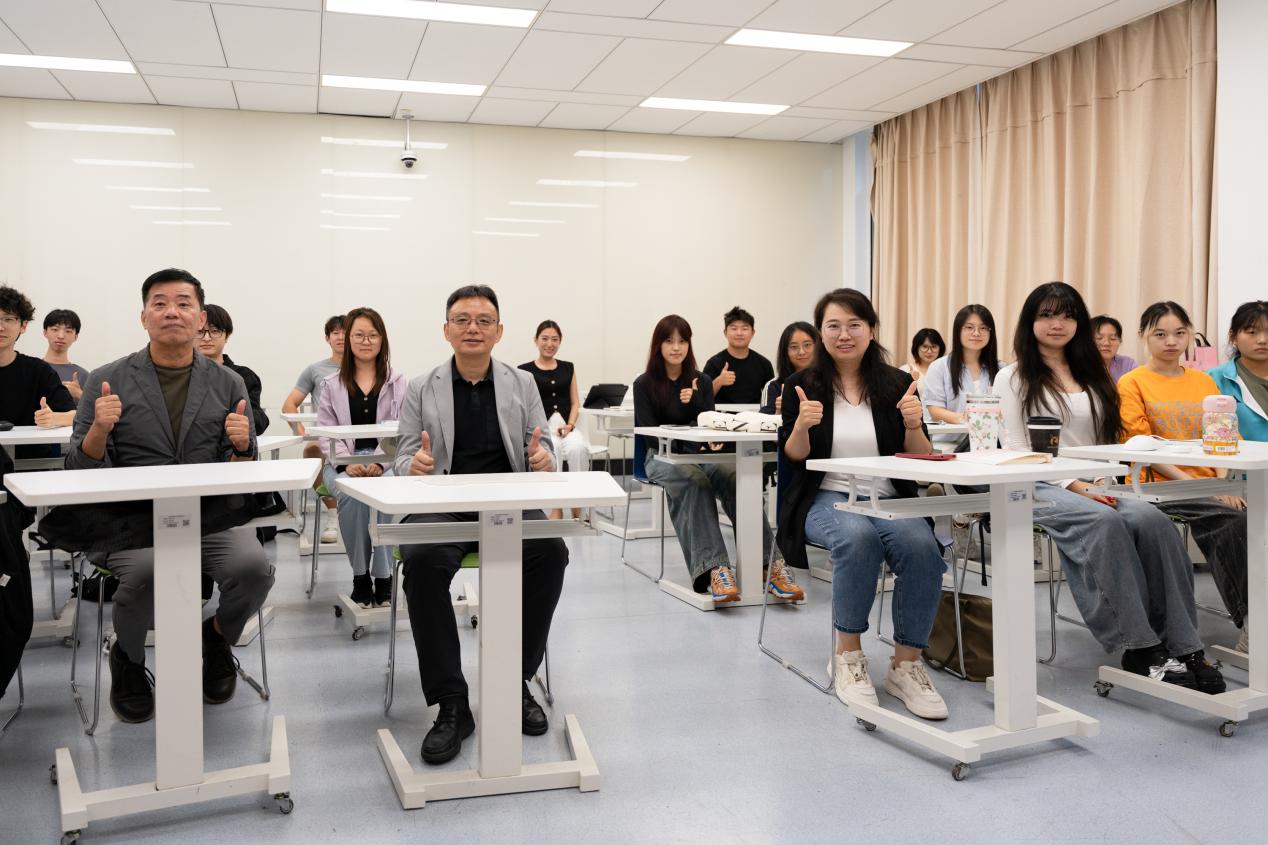
As a core compulsory course in the Environmental Design program, Interior Design bridges fundamental design theories and engineering implementation, aiming to cultivate students' end-to-end capabilities from creative conception to project execution. This aligns closely with the university’s "Three Rotor Wings" educational philosophy, which emphasizes design-driven engineering and commercial value. Inviting industry experts to lecture represents a key initiative to deepen industry-academia integration and introduce cutting-edge industry resources, building a practical bridge "from the classroom to the workplace."
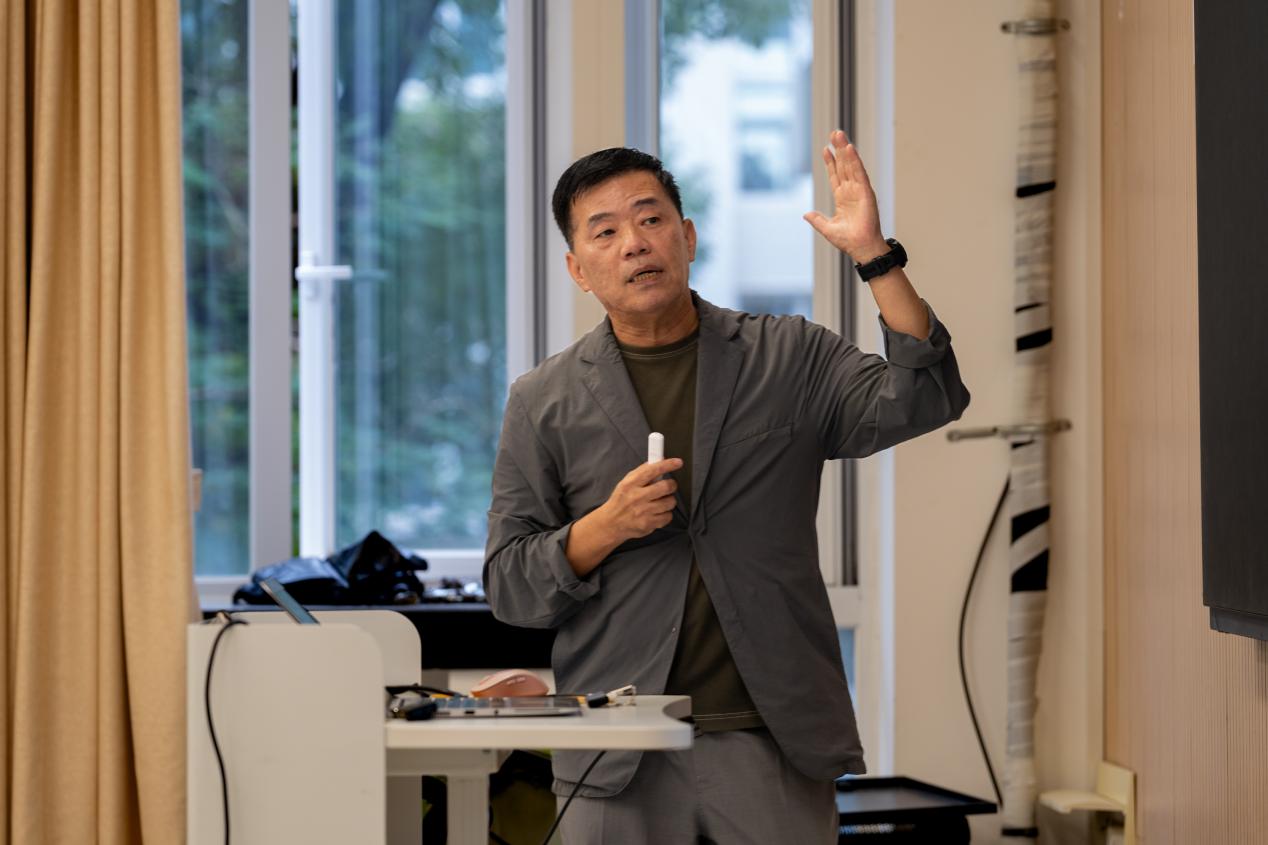
As the founder of ADD Design, Mr. Liu Fei brings over 26 years of experience in interior design and construction management. Having previously worked for a decade at China Construction Third Engineering Bureau Decoration Co., he is a certified National First-Class Constructor and Electrical Engineer. Mr. Liu shared his journey from state-owned enterprise to entrepreneurship, systematically outlining diverse career development paths for design students and guiding them in rational career planning.
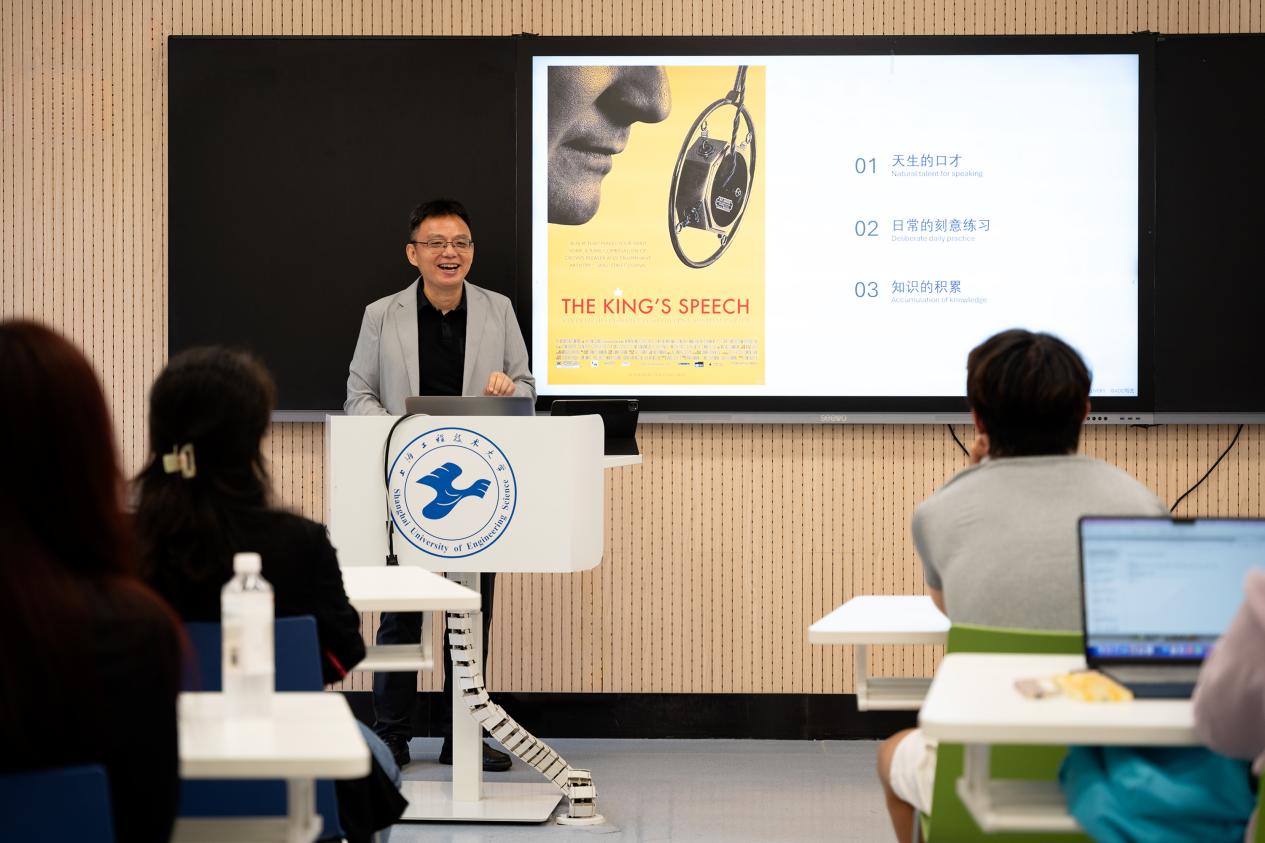
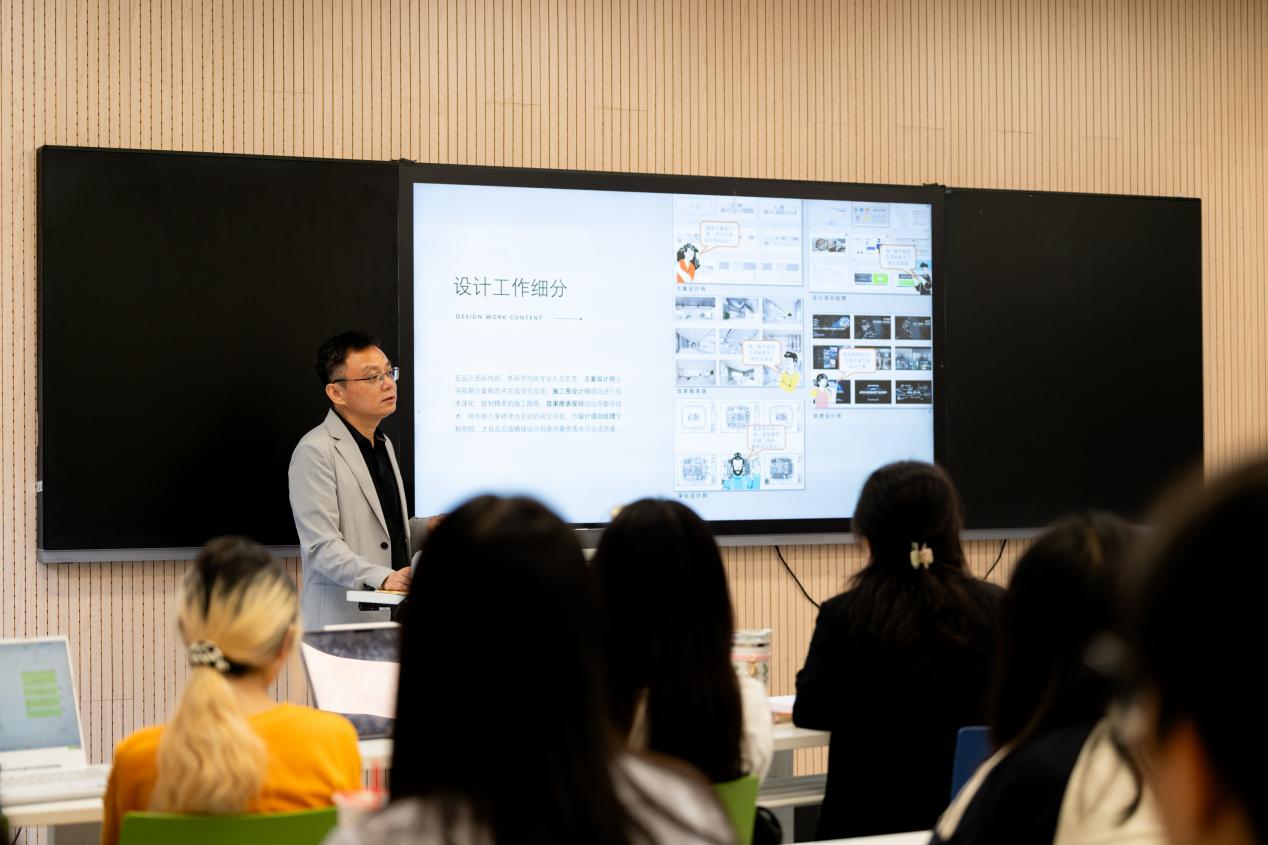
Design Director Wang Jixiao, recognized among Taiwan’s Top 100 Interior Designers, focused on the creative design dimension. Drawing on his experience leading office projects for Fortune 500 companies such as ByteDance and Meituan, he deconstructed the core stages of interior design: from customized conceptual design and functional optimization in spatial planning—such as the scientific layout of lighting zones and core management areas—to creative visualization using software like 3ds Max and SketchUp. He emphasized the importance of "storytelling" and "aesthetic perception" for designers, while also urging students to maintain critical thinking about the essence of space amid rapid AI advancements. Mr. Wang shared ADD’s innovative practice of integrating the "metaverse" concept into the Blue Focus office project, allowing students to witness new possibilities in technology-driven design.
During the session, the two experts also detailed the composition and division of roles within a design team, including the responsibilities and skill requirements for positions such as lead designer, technical development designer, visualization artist, and design project manager. Through ADD’s real-world projects—such as the Blue Focus Shanghai Headquarters, Transsion Holdings Shenzhen R&D Building, and Kinglong Technology Office Space—they demonstrated the end-to-end process from conceptual design and spatial planning to visualization and project implementation.
The "Corporate Experts in the Classroom" initiative is one of the key measures at Shanghai University of Engineering Science to advance industry-academia collaboration and strengthen practical education. By introducing high-quality industry resources, it aims to enhance students' professional competence and industry adaptability, effectively aligning talent development with industry needs.
In her concluding remarks, Instructor Tian Tingyi noted that this corporate expert session not only broadened students' professional horizons but also deepened their understanding of current industry conditions and future trends, marking a successful practice of industry-academia collaboration in fostering talent development.