
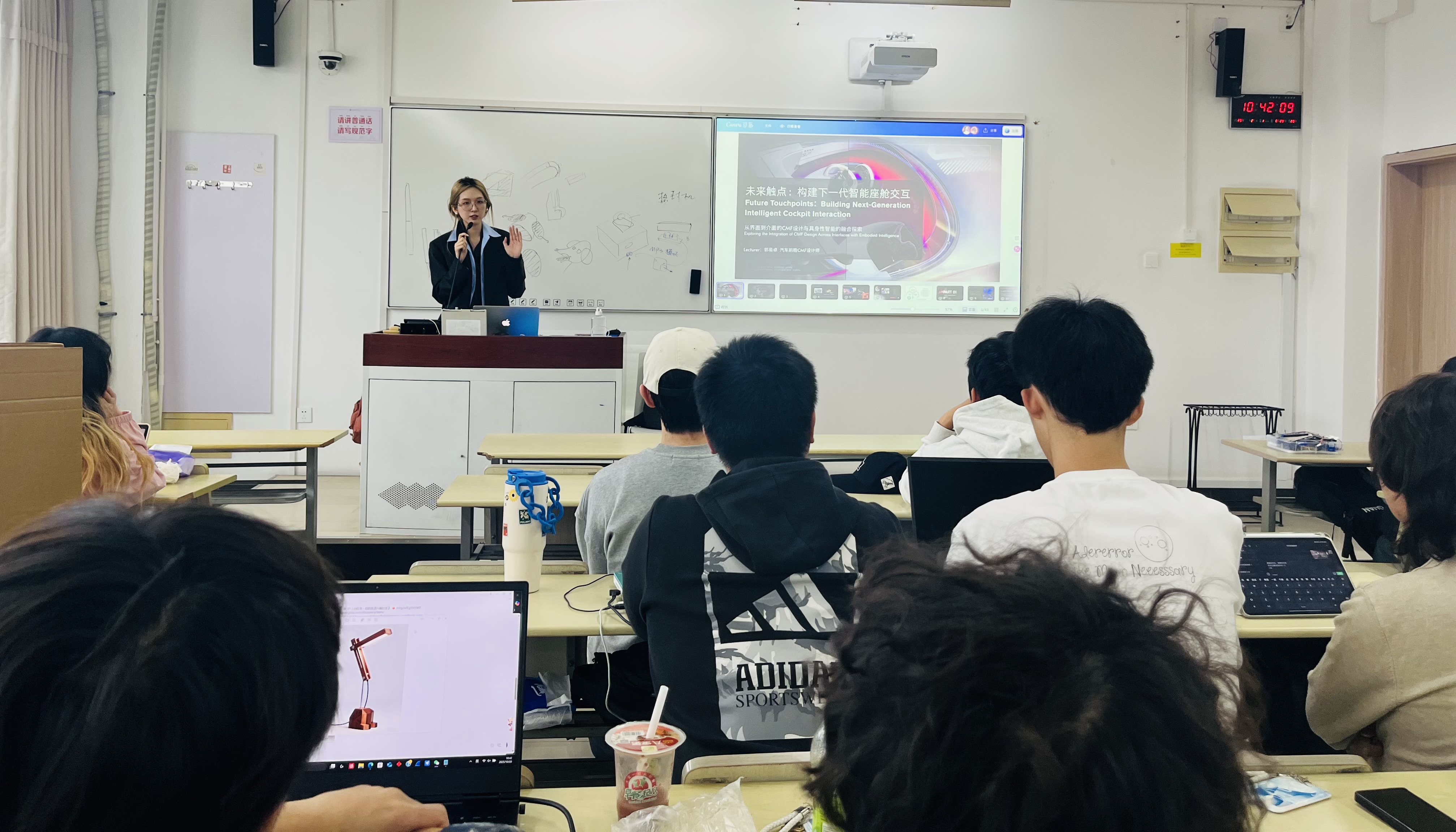
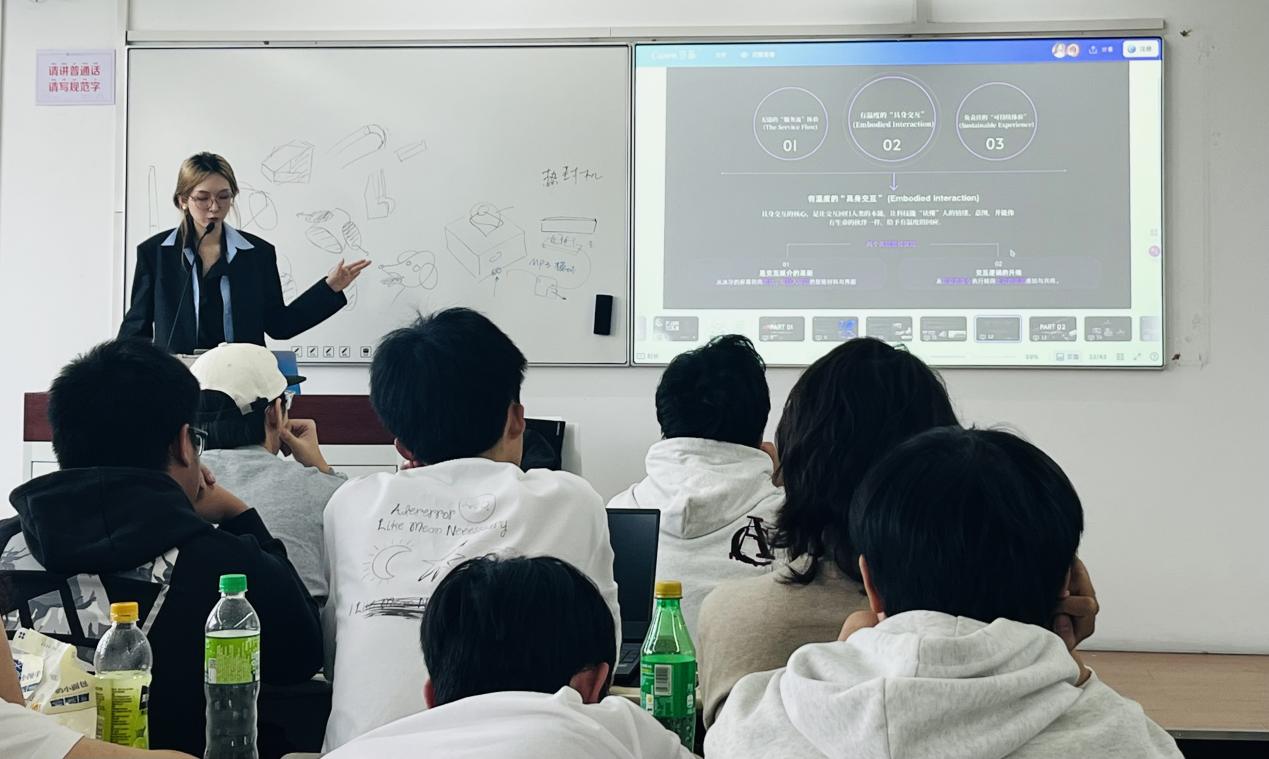
On October 20, 2025, the course invited interdisciplinary designer, materials innovation researcher, and CMF Designer from SAIC-GM-Wuling Forward Looking Center, Guo Yizhuo, to the classroom. Under the theme "CMF Design for Smart Cockpits and Innovation in Future Interaction Touchpoints," she unlocked cutting-edge technologies and design logic in the smart automotive field for industrial design students, building a bridge between classroom theory and forefront industry practice.
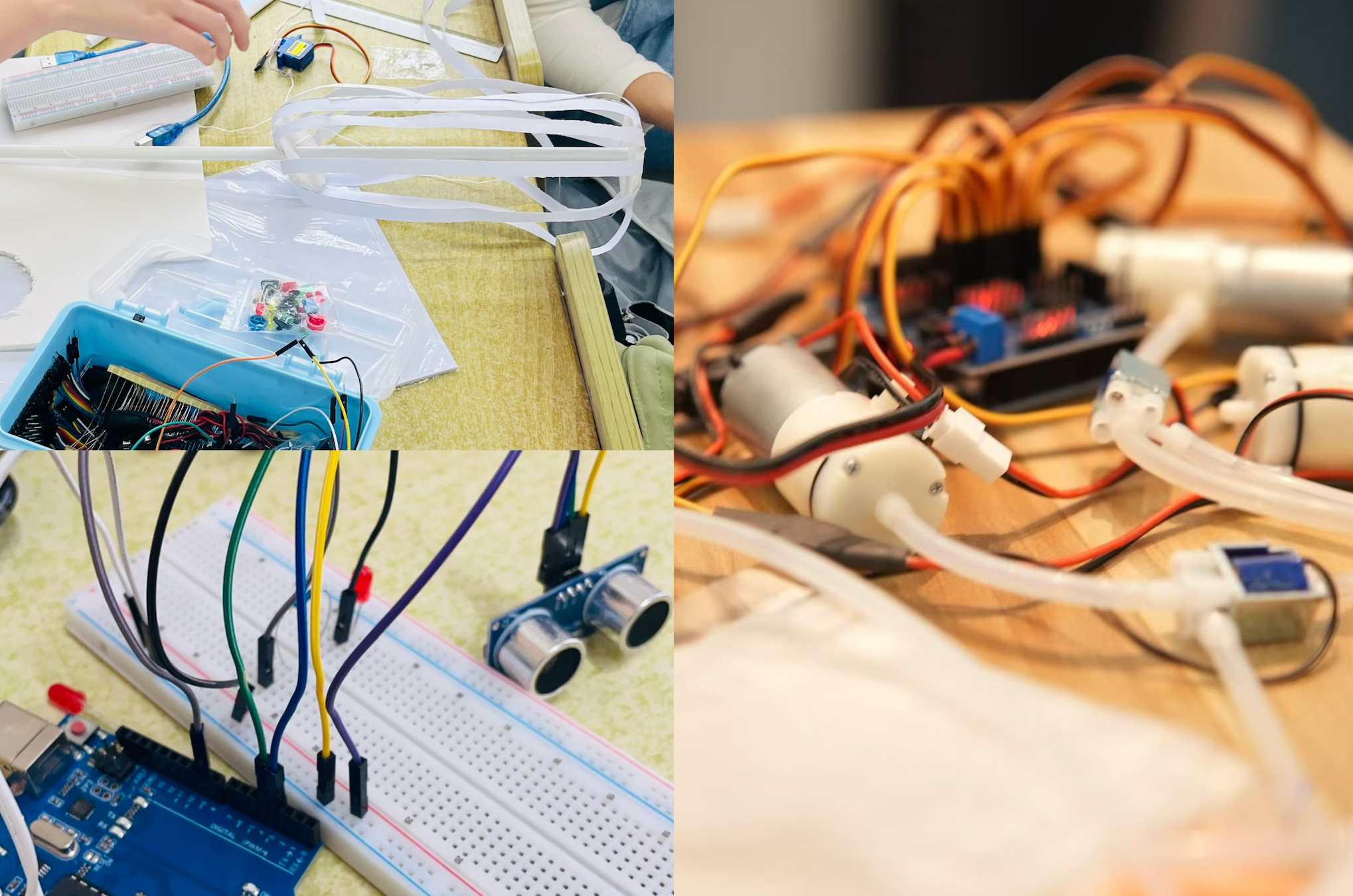
Open Source Hardware and Programming, as a practice-oriented course driven by technology, aims to guide students in preliminarily understanding the software programming environment and hardware composition of the open-source hardware platform Arduino through hands-on computer sessions. By systematically teaching the fundamentals of programming and hardware development, the course helps students master basic technical implementation capabilities and expand the possibilities of design expression. As an important practical component reflecting the university's "Three Rotor Wings" philosophy of "design-driven engineering and commercial value," the course focuses on cultivating students' ability to transform ideas into interactive prototypes, enhancing their professional competence and practical skills, and laying a solid foundation for future engagement in smart product and system design. The course will subsequently be adjusted into a foundational course for the Industrial Design program, integrating emerging technologies such as AI, and continuously optimizing the curriculum system.
Guo Yizhuo began with the evolutionary trend of automobiles transitioning from "transportation tools" to "third living spaces," systematically elaborating on three major development directions for smart cockpits, with a key analysis of the core topic of "warm, embodied interaction." She pointed out that the essence of future interaction lies in returning technology to human instinct, achieving emotional and intuitive interactive experiences. She introduced reflections on two main implementation pathways: the innovation of interaction media—shifting from cold screens to soft, environmentally integrable smart materials and interfaces; and the elevation of interaction logic—transitioning from passive command execution to active emotional perception and resonance. During the lecture, Guo Yizhuo presented a wealth of cutting-edge industry cases, showcasing three categories of new interactive media: smart fabric surfaces, responsive materials, and electronic skin. Through industry examples such as Mercedes-Benz's "Luminous Fiber" with intelligent glowing fibers, the 3D textile lighting effects in the Rolls-Royce Phantom "Syntopia," and the eco-friendly light-transmitting technology in Yanfeng's XiM25 concept car, she vividly illustrated the design concept of "material as interface." She also specifically introduced forefront technologies like the health monitoring function of graphene seats and the application of electronic skin in vehicle-mounted robots.
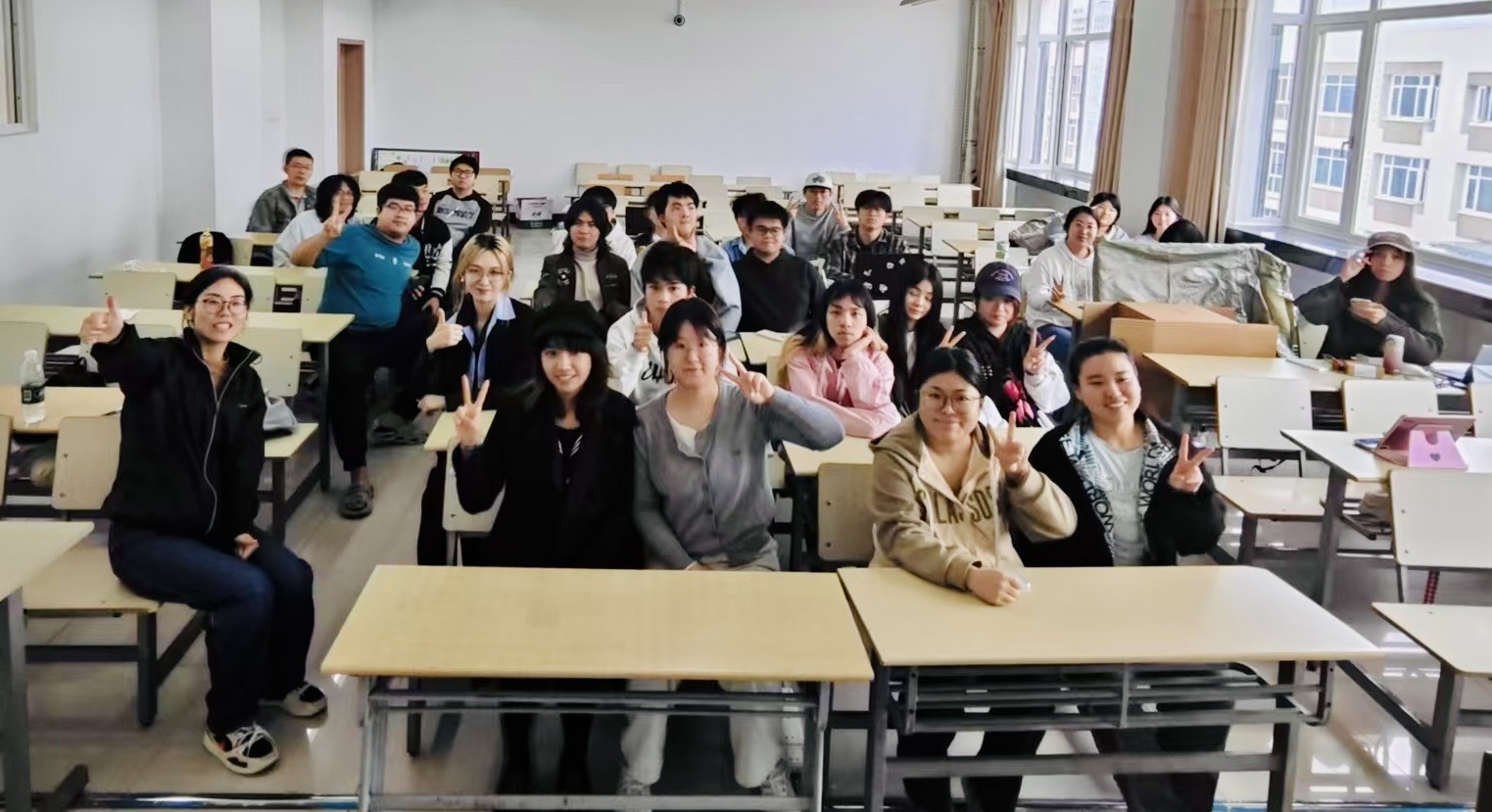
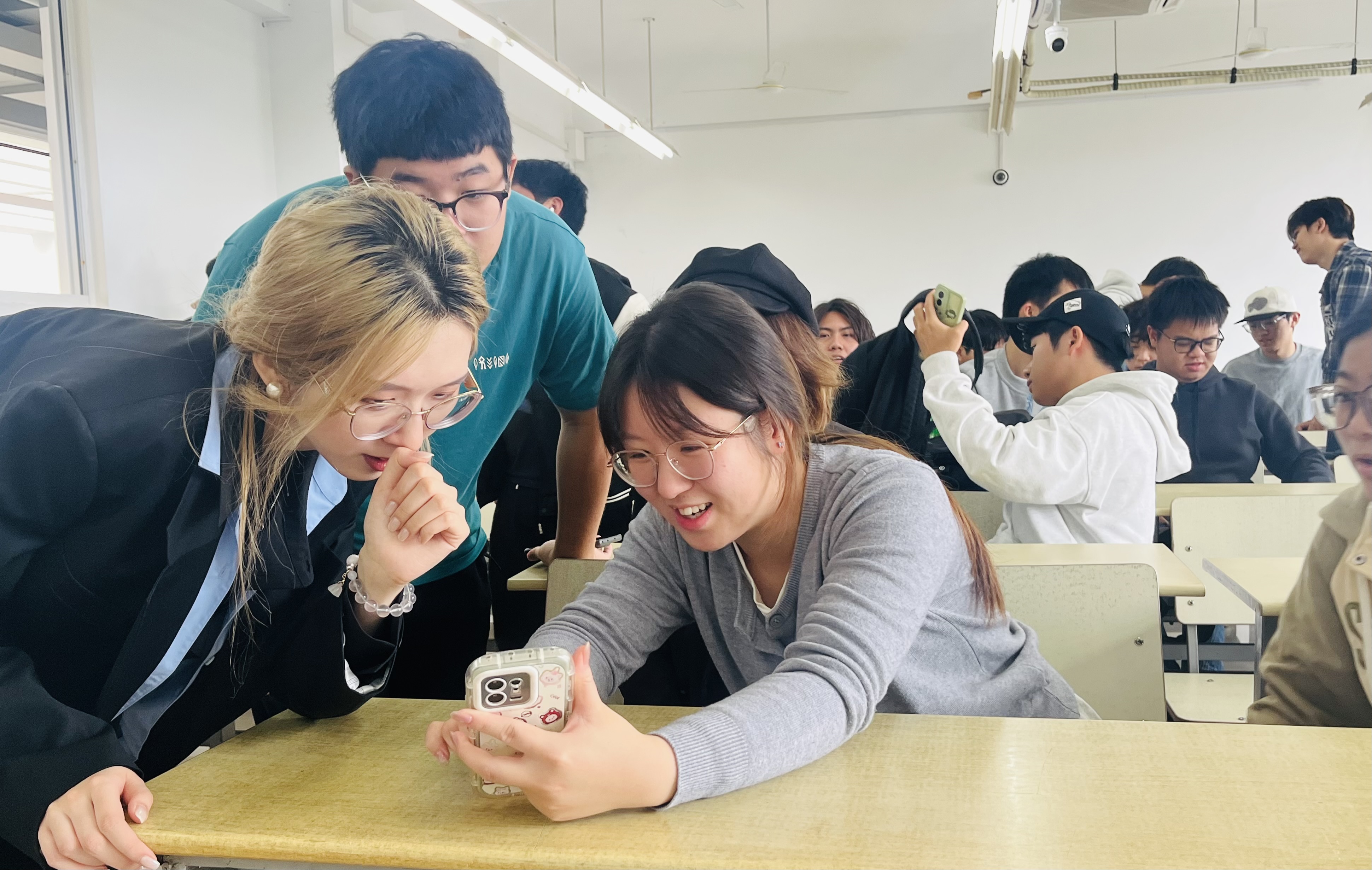
This Corporate Experts in the Classroom activity not only allowed students to learn about cutting-edge technologies in the smart cockpit field but also deepened their understanding of design concepts such as "warm, embodied interaction," "material as interface," and "seamless service flow." It achieved a deep integration of technology-driven and design innovation, providing strong support for cultivating interdisciplinary innovative design talents.