

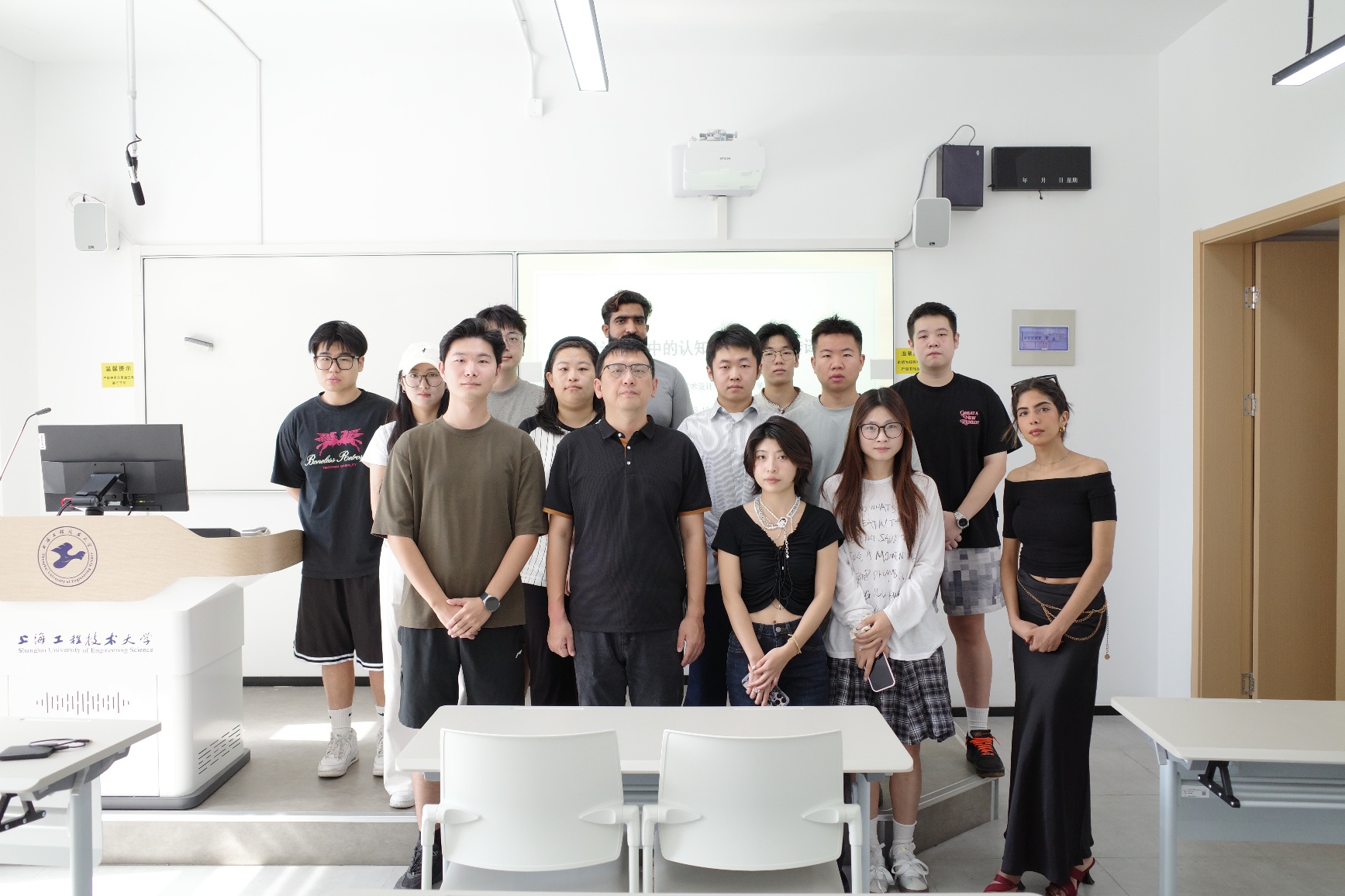
At 11:00 AM on October 17, a postgraduate academic seminar chaired by Associate Professor Chen Lu was successfully held in Classroom 207 of the Changning Campus. Titled "Cognitive Reconstruction and Symbolic Translation in Design Expression," the seminar involved 15 postgraduate students specializing in Design Professional Degrees (Exhibition and Spatial Environment Design, Product Modeling Art and Applied Practice). The session delved into reshaping the cognitive frameworks of design thinking and exploring the core mechanisms of symbolic systems beyond superficial forms.
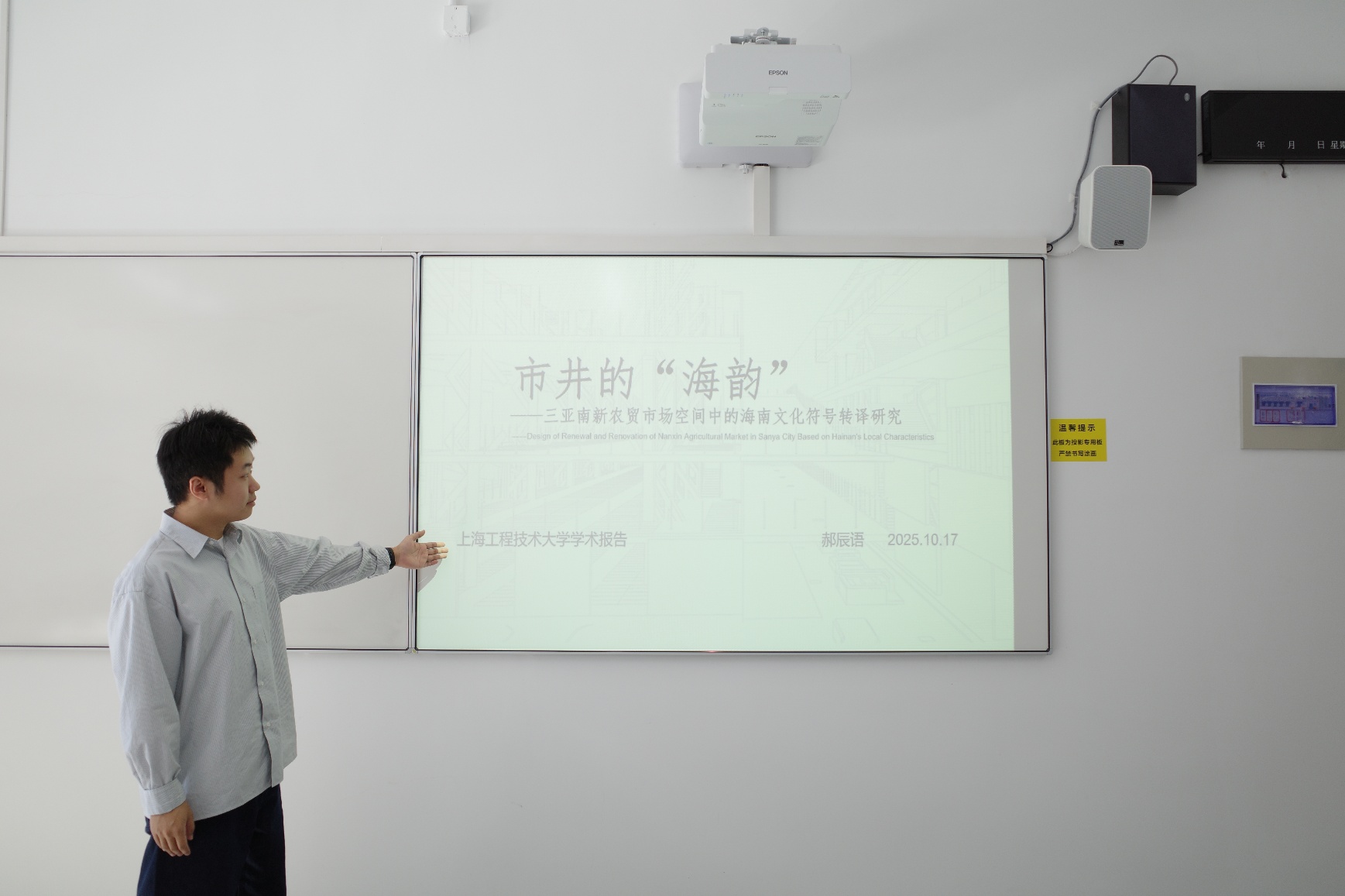
Hao Chenyu took the Sannan Xin Farmers' Market in Sanya as a case study to explore the translation pathways of Hainan cultural symbols in urban spaces. By investigating the connection between "marine charm" elements and local life, he reconstructed the cultural cognitive framework of traditional farmers' markets. He proposed integrating marine symbols and Li ethnic patterns into spatial design, transforming everyday spaces into vibrant carriers of cultural dissemination and offering new ideas for the innovative expression of regional culture in modern spaces.
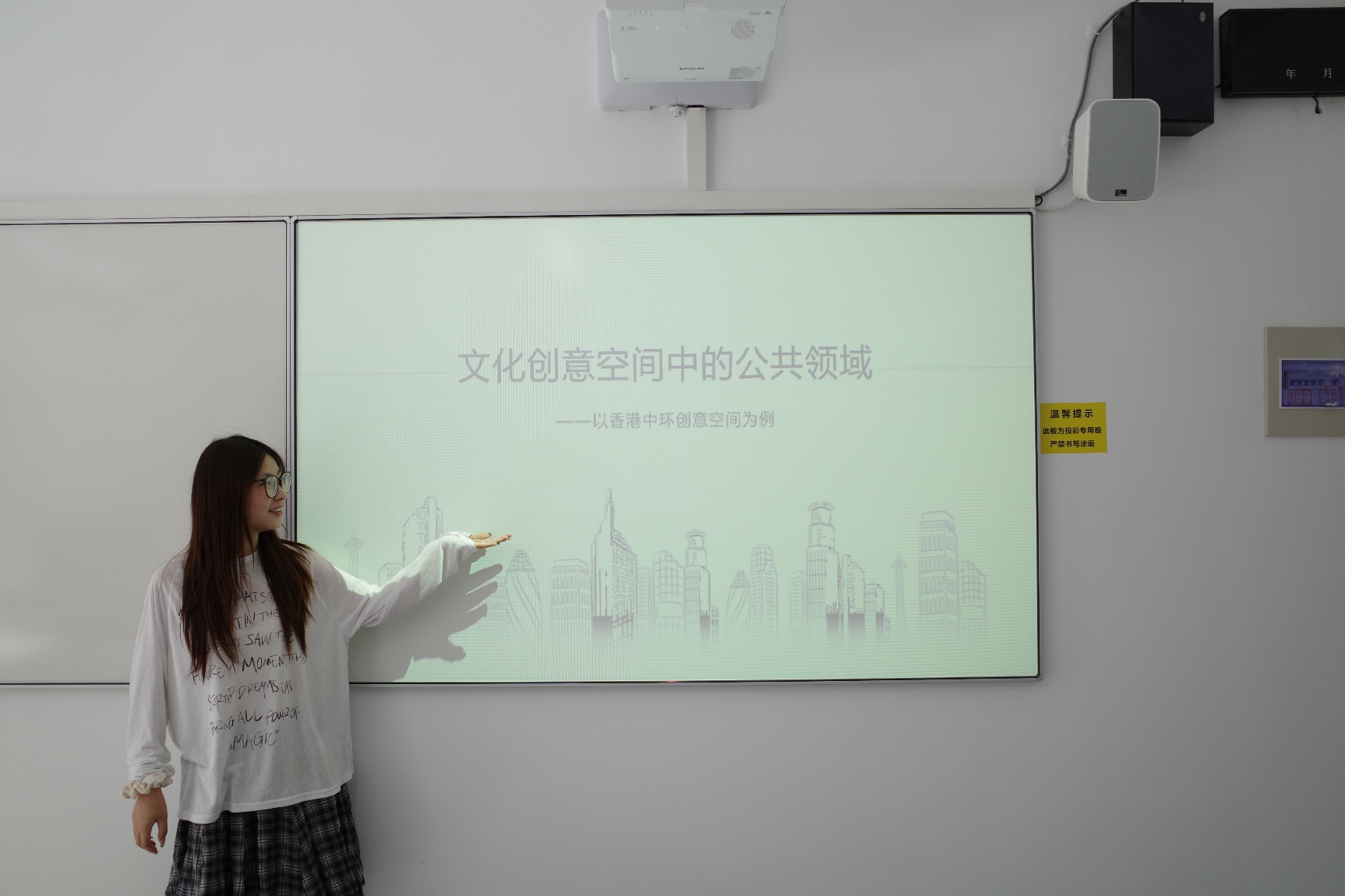
Shi Huiping focused on creative spaces in Central, Hong Kong, analyzing the cognitive construction mechanisms of cultural and creative spaces from the perspective of public sphere theory. Through field research and semiotic analysis, she revealed how creative spaces reconstruct public perceptions of cultural production via spatial layout, visual symbols, and event planning. She proposed a "flexible publicness" design strategy, providing insights for balancing social and commercial values in cultural and creative spaces on the mainland.
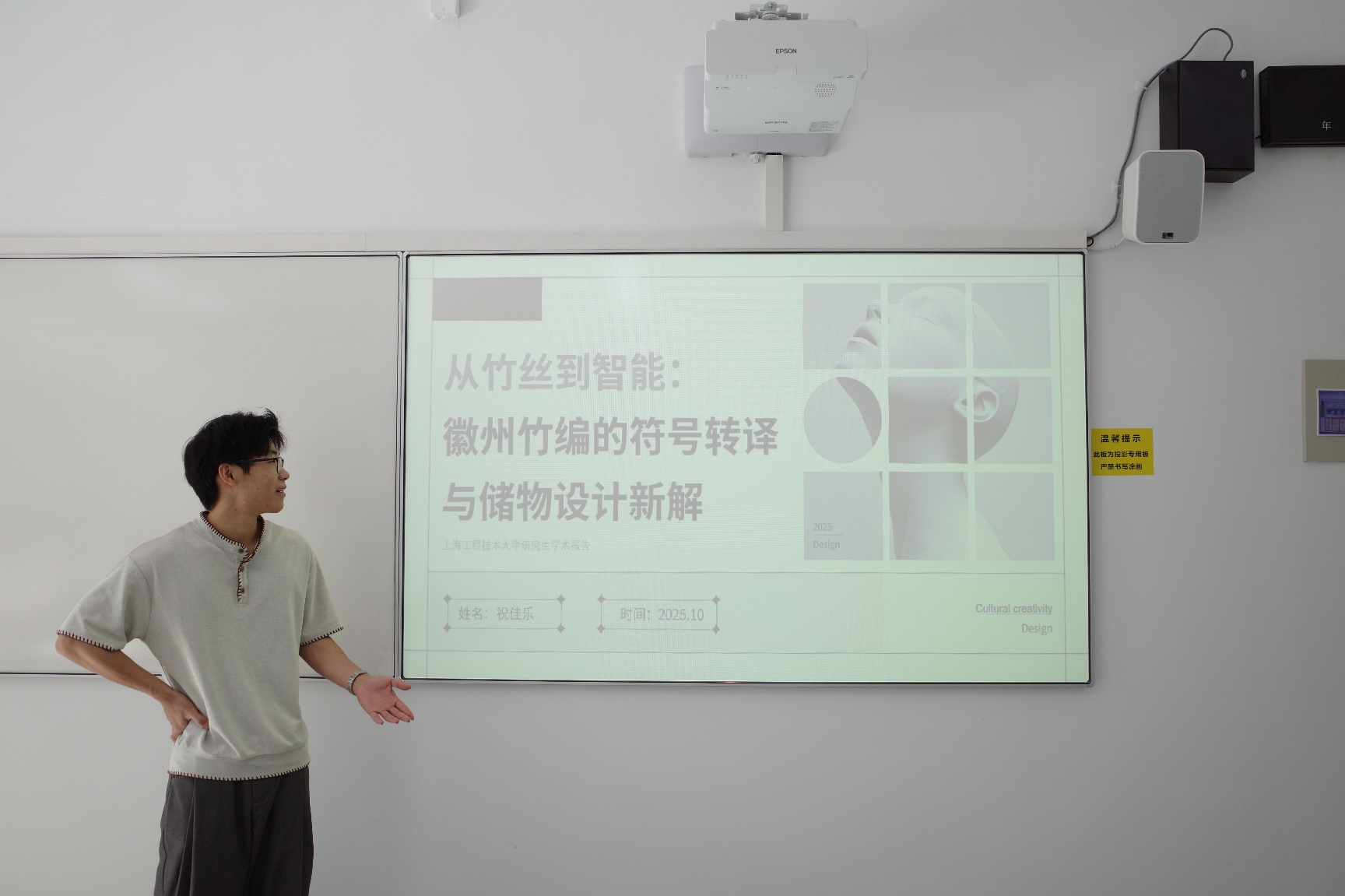
Zhu Jiale explored the symbolic translation of traditional craftsmanship from manual techniques to intelligent design, using Huizhou bamboo weaving as a starting point. By deconstructing the weaving logic and visual language of bamboo weaving and integrating modular design with smart interactive technologies, he reconstructed the functional cognition and emotional experience of storage products, revitalizing intangible cultural heritage symbols in modern product design and offering practical examples for the digital inheritance of traditional crafts.
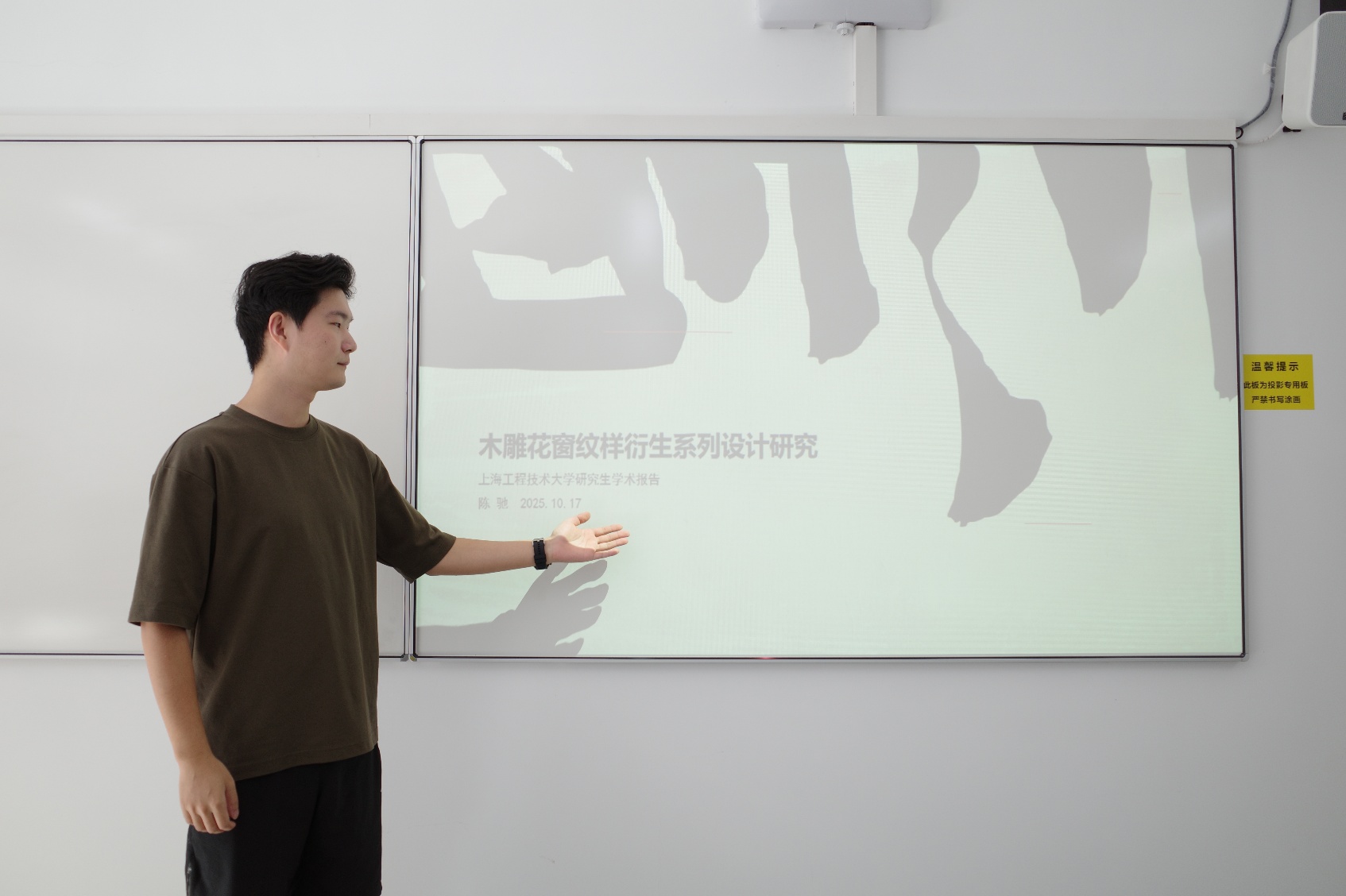
Chen Chi conducted derivative design research on wooden carved window patterns. Through semiotic analysis, he extracted the core genes of traditional patterns, reconstructed them in line with modern aesthetic needs, and transformed two-dimensional patterns into three-dimensional designs applied to home products and cultural creative fields. This approach preserved the cultural connotations of traditional symbols while endowing them with contemporary functional value, opening new paths for the innovative application of traditional patterns.
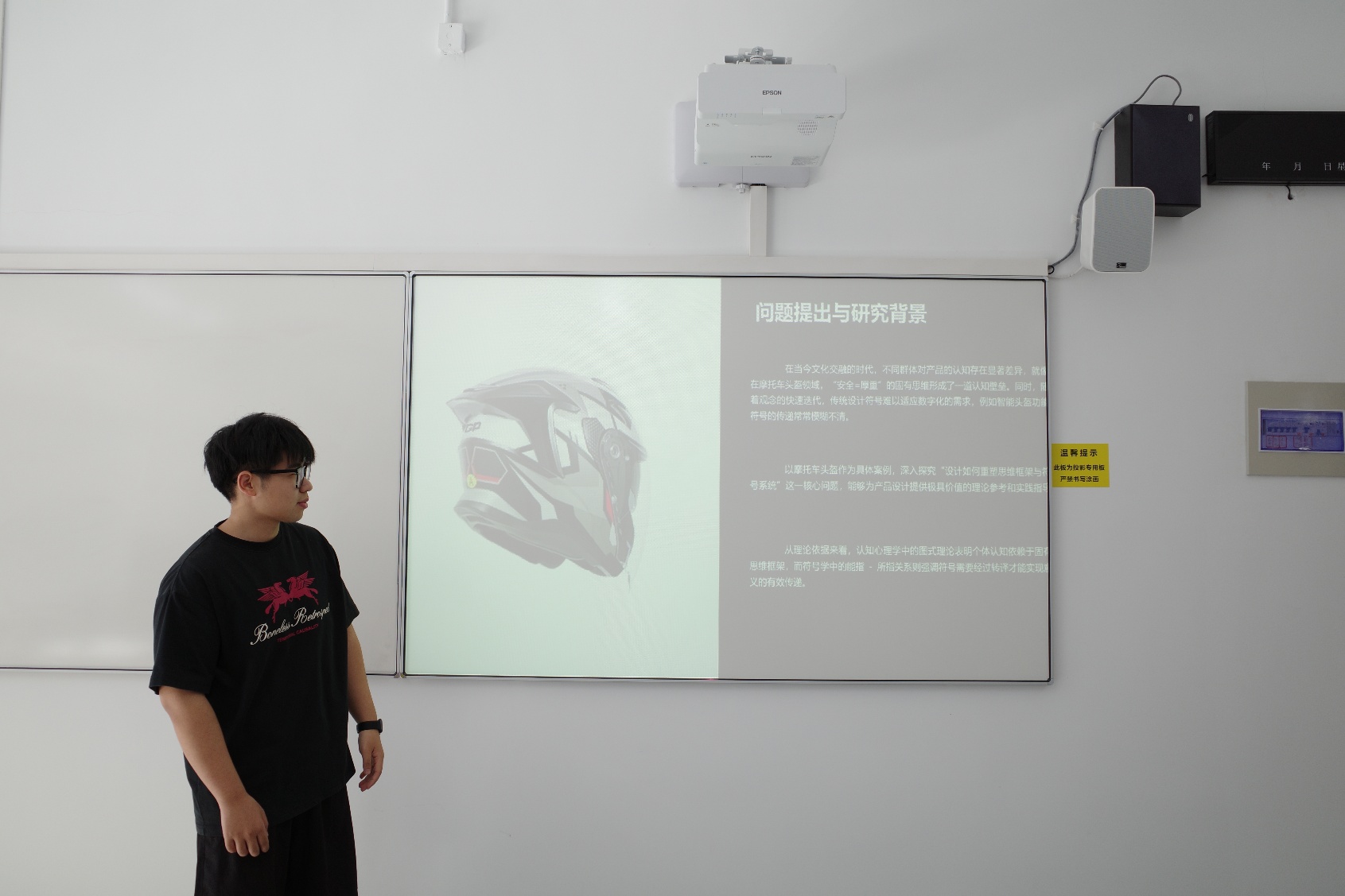
Zhang Rui systematically constructed a theoretical paradigm for cognitive reconstruction and symbolic translation in design expression, using motorcycle helmet design as a case study. Through user cognitive experiments and symbolic semantic analysis, he proposed a triple cognitive model of "safety-personality-culture," translating abstract concepts such as speed and protection into concrete design language. This provided methodological references for breaking through inherent perceptions in industrial design via symbolic systems.
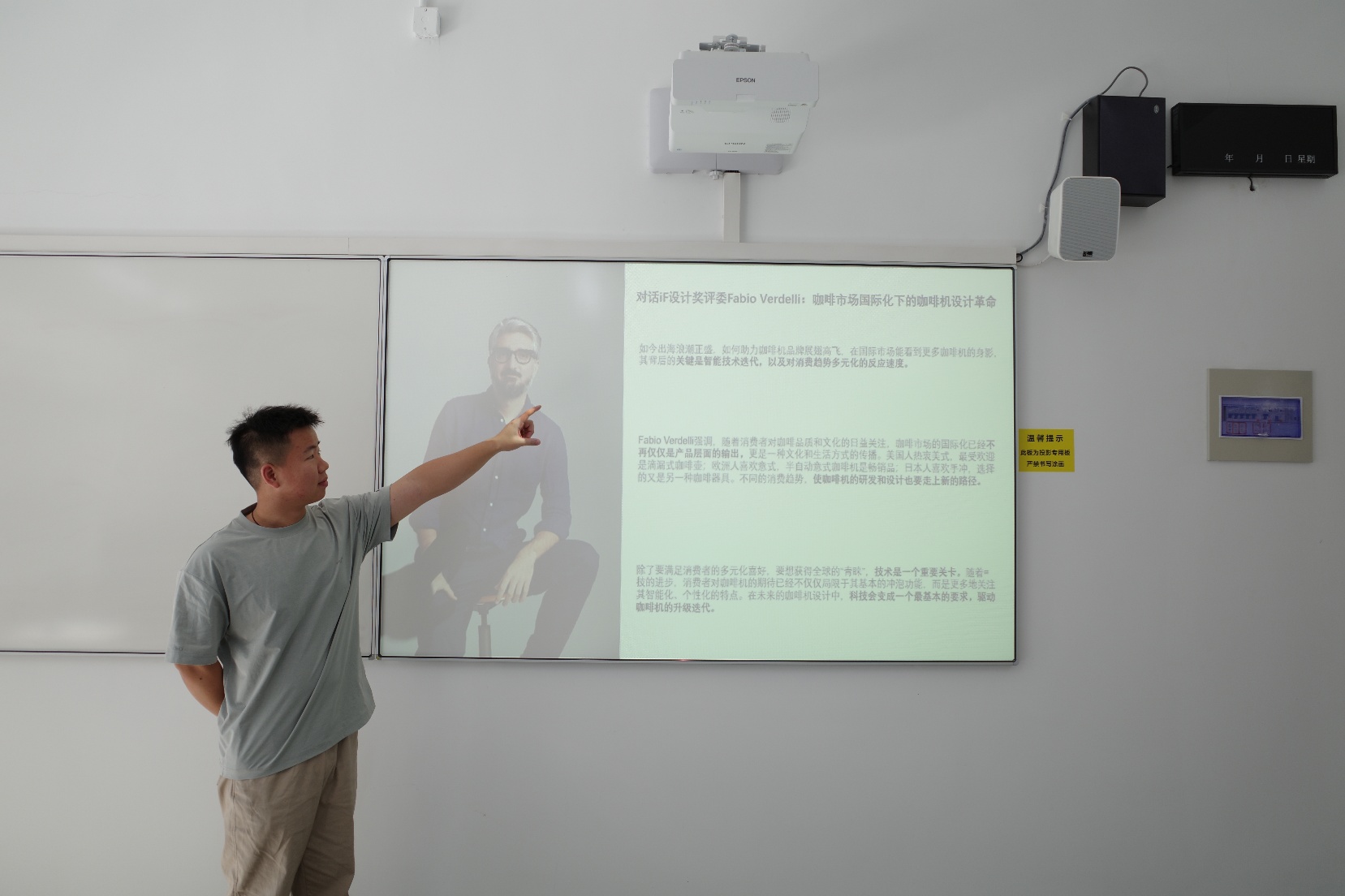
Chen Kang explored pathways for achieving deep cross-cultural communication through products. By analyzing cognitive differences across cultural contexts, he proposed a "culturally adaptive symbolic translation" strategy, integrating symbol systems interpretable by diverse cultures into product design. This made products bridges for overcoming cognitive barriers, offering a culturally sensitive perspective for product design in a globalized context.
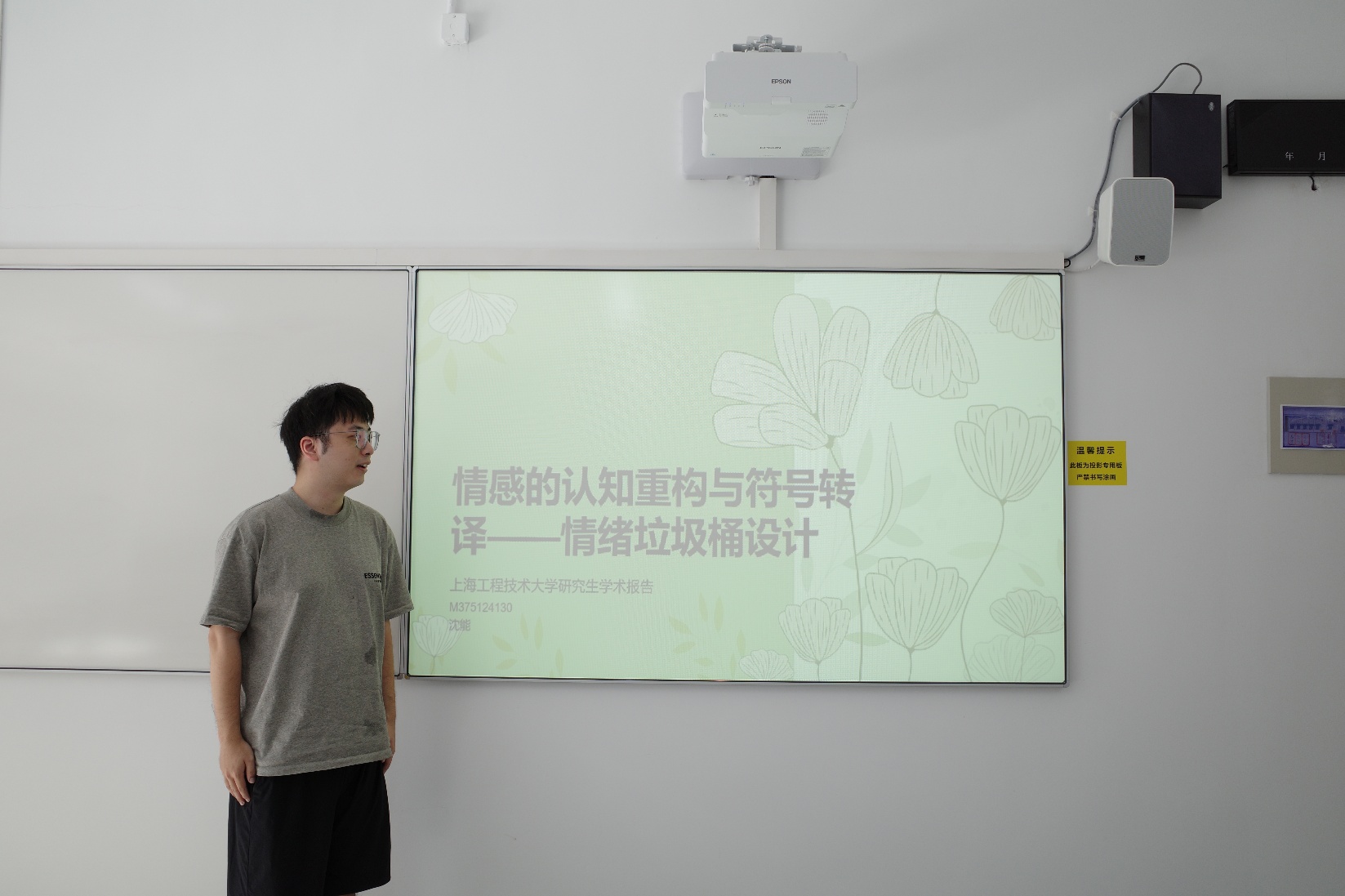
Shen Neng focused on emotional trash bin design, treating emotional cognition as a core dimension for redesign. By translating abstract emotions into perceivable visual and interactive language through symbolic translation, he helped users reconstruct their perception of negative emotions, shifting product design from function-oriented to emotion-healing, and providing innovative ideas for the application of emotional design in mental health.
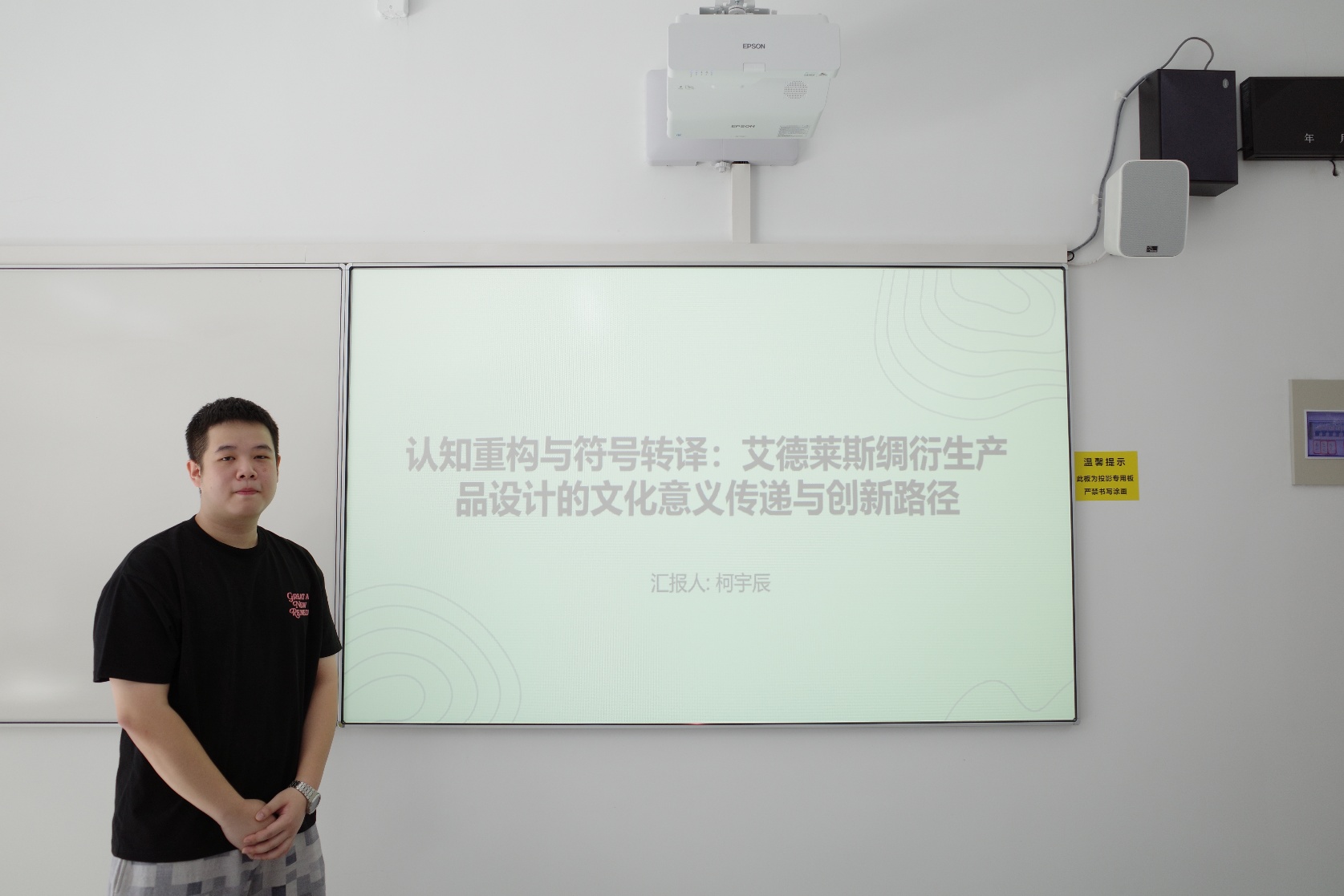
Ke Yuchen studied Adlas silk, exploring the transmission mechanisms of cultural meaning in derivative product design for intangible cultural heritage symbols. By deconstructing the symbolic semantics of silk patterns and reconstructing them with modern design language, he proposed a "cultural gene translation model," enabling traditional symbols to maintain cultural specificity while being understood by global consumers, offering practical solutions for the international dissemination of intangible cultural heritage.
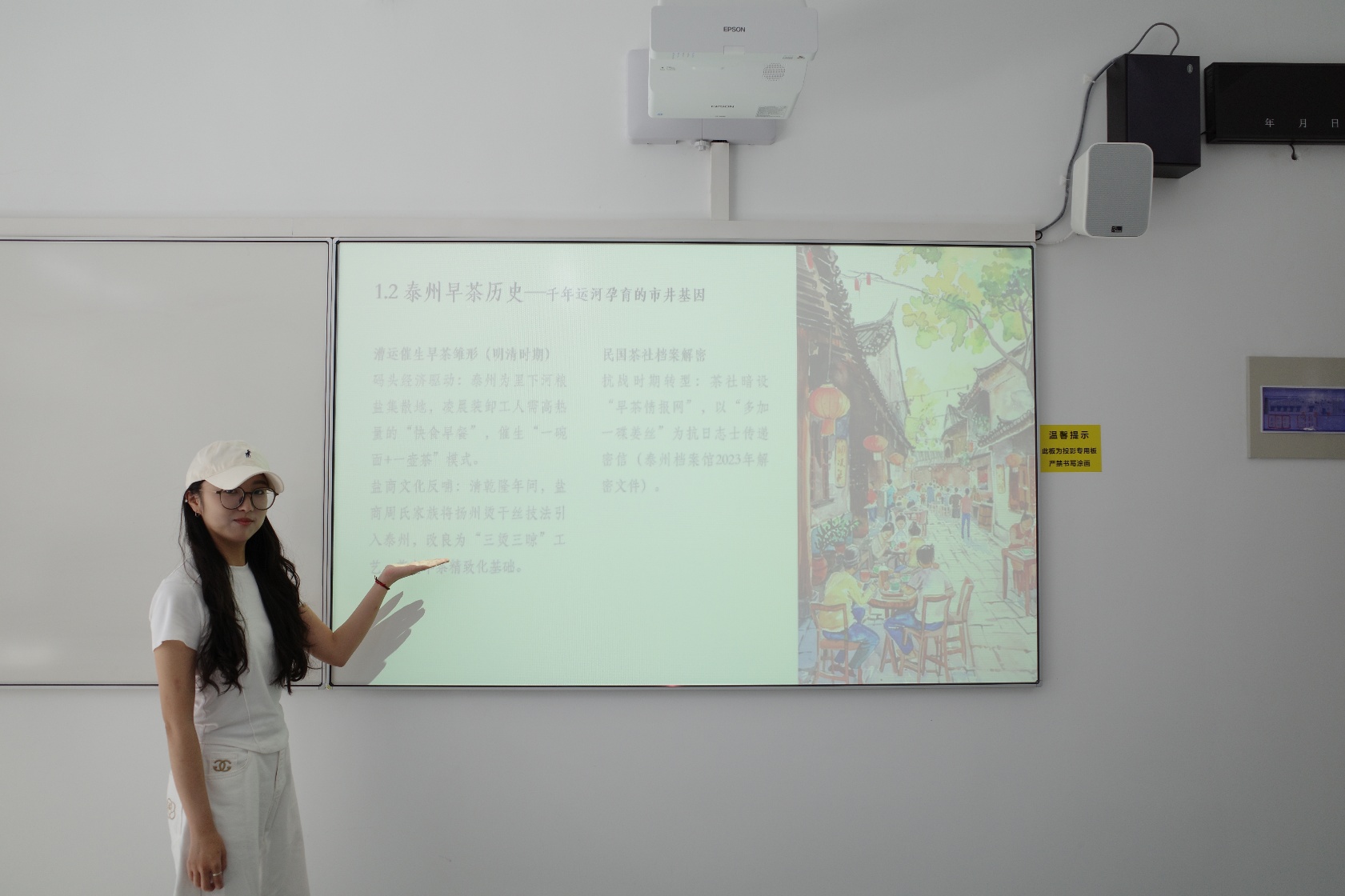
Xiao Xinyi used the Taizhou morning tea culture IP design as an example to discuss cognitive reconstruction pathways for regional cultural symbols. By挖掘 the ritual and social attributes of morning tea culture, she transformed traditional dietary symbols into visual IP and derivative designs, reconstructing public perceptions of regional culture and integrating intangible cultural heritage into daily life through modern design language, providing replicable methods for creating regional cultural IPs.
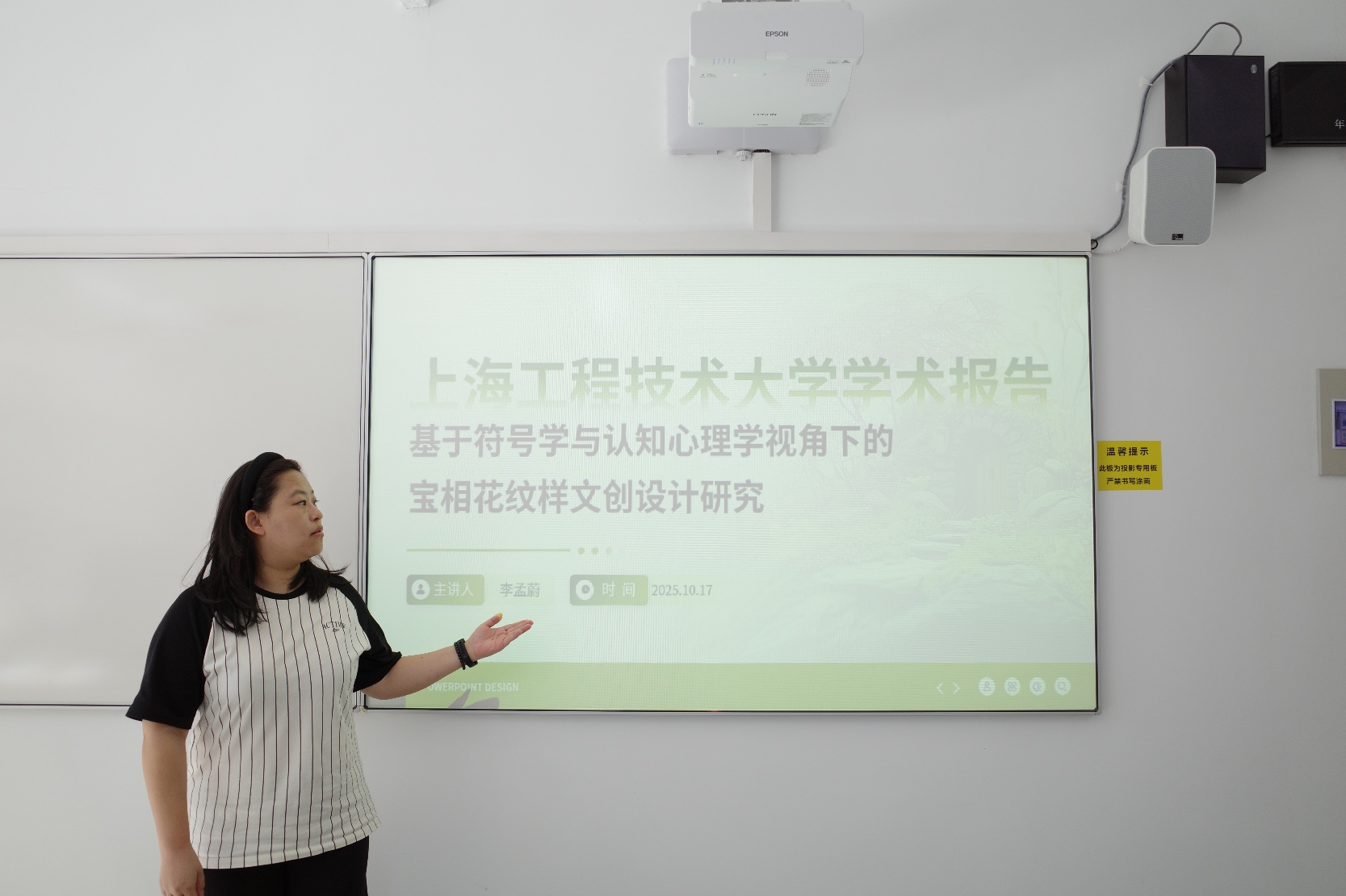
Li Mengwei conducted cultural creative design research on Baoxiang flower patterns from semiotic and cognitive psychology perspectives. By analyzing the historical evolution and cognitive decoding of the patterns, she reconstructed the meaning-generation mechanisms of traditional symbols in modern contexts, proposing a "layered translation" design strategy that preserves the religious and cultural connotations of Baoxiang patterns in cultural creative products while meeting contemporary aesthetic needs.
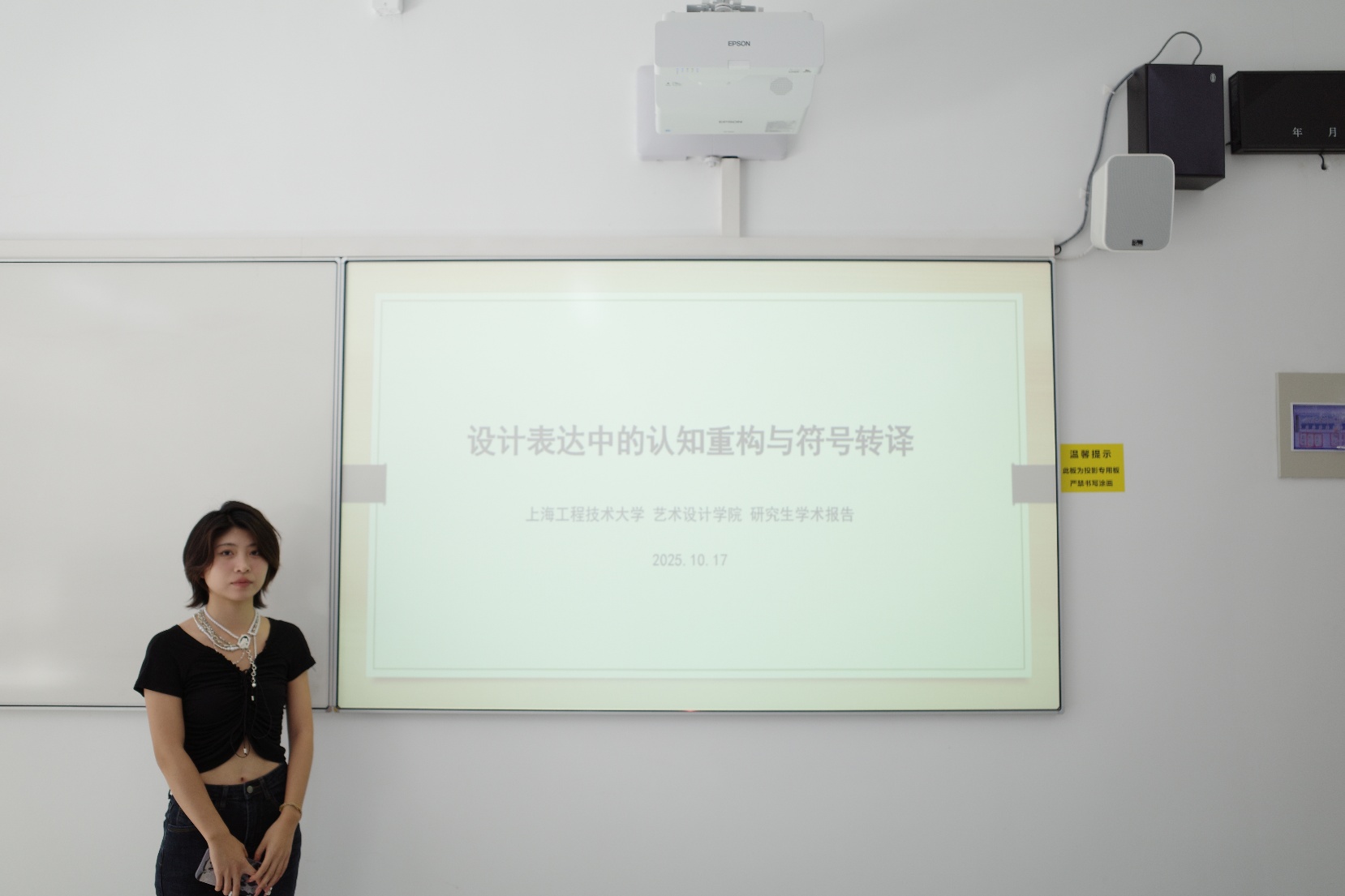
Wang Chenxi explored cognitive reconstruction and translation strategies for high-end brand symbols, using Porsche derivative product design as a case study. By analyzing the connection between core brand genes and consumer cognition, she transformed automotive design language into symbolic systems for derivative products, enabling the products to convey brand value while reconstructing users' cognitive experiences of luxury goods, providing theoretical and practical references for high-end brand derivative design.
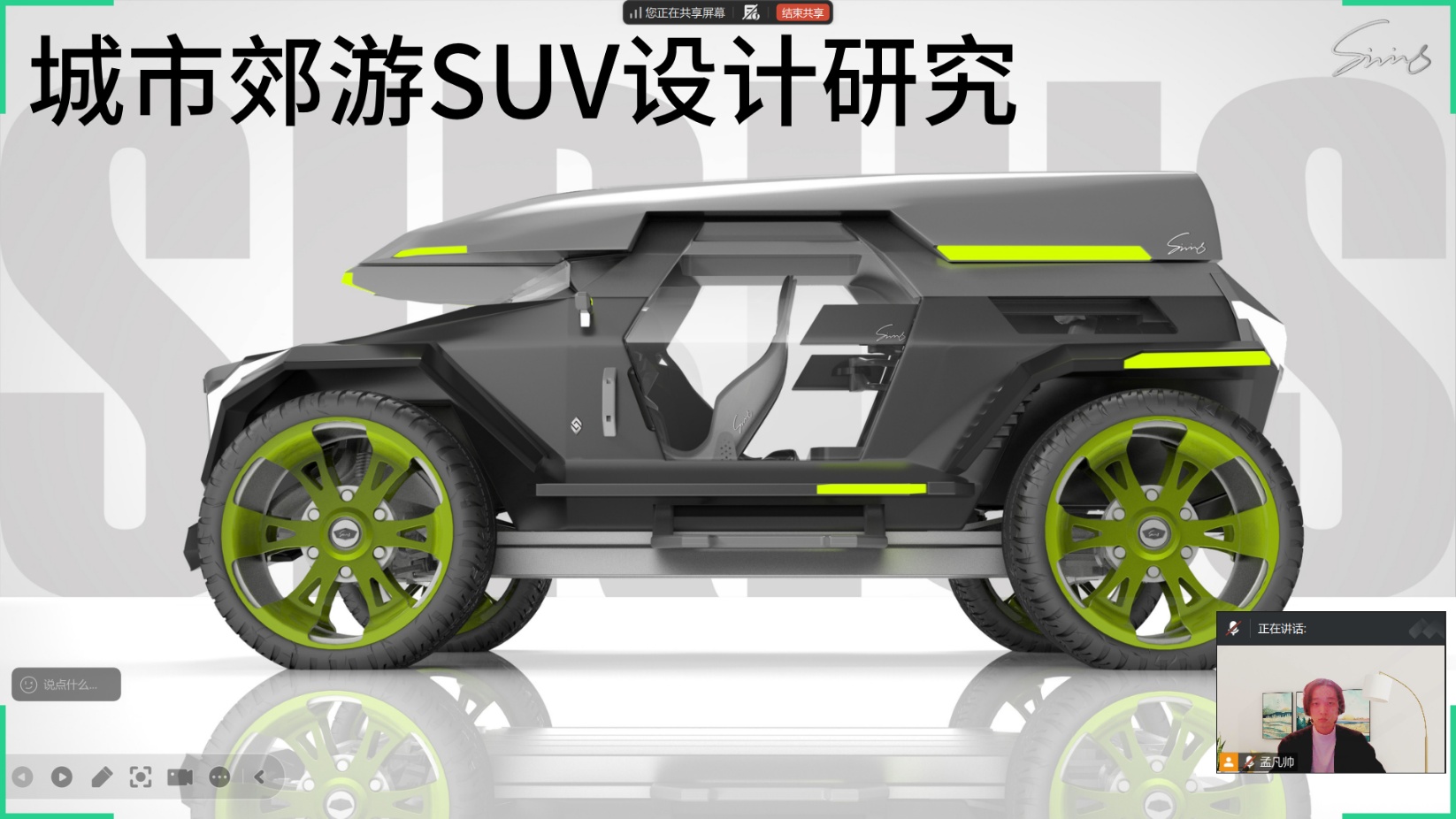
Meng Fanshuai focused on urban suburban SUV design. Through cognitive reconstruction, he explored functional and emotional needs in outdoor scenarios, integrating natural elements and outdoor activity symbols into automotive design language. He proposed a "scenario-based symbolic translation" method, enabling SUV products not only to meet functional needs but also to reconstruct users' cognitive imagination of suburban life, offering new ideas for how automotive design can create emotional value through symbolic systems.
Finally, three international students delivered reports on design translation based on their respective cultural backgrounds.
Host's Conclusion: This seminar vividly demonstrated how "cognitive reconstruction" breaks thinking stereotypes and how "symbolic translation" crosses cultural barriers, spanning from urban spaces to high-end products, and from intangible cultural heritage inheritance to digital innovation. The students not only explored design methods for specific themes but also conducted detailed research aligned with design implementation goals. It is hoped that everyone will maintain this enthusiasm for learning, dare to break through, and continuously innovate in future design practices, using design to build more universal and culturally specific communication systems.