
The "Product Design" course is a core compulsory course of the nationally top-tier Product Design program, as well as a Shanghai municipal first-class course and a university-level industry-education integration demonstration course. It aims to cultivate students' comprehensive design capabilities throughout the process of product innovation and improvement. Through this course, students will learn how to conduct innovative design in modeling, CMF, etc., based on product design semantics, integrating knowledge from foundational modeling, composition, materials and processes, ergonomics, and more. Combining enterprise-based factory practice, the course employs a blended online and offline teaching model, laying a solid foundation for students' future career development and product design endeavors. This course plays a pivotal role in connecting prior and subsequent knowledge and strengthening the integration of theory and practical operation, serving as an important course embodying the "Three-Rotor" concept of "design-driven engineering and commercial value."
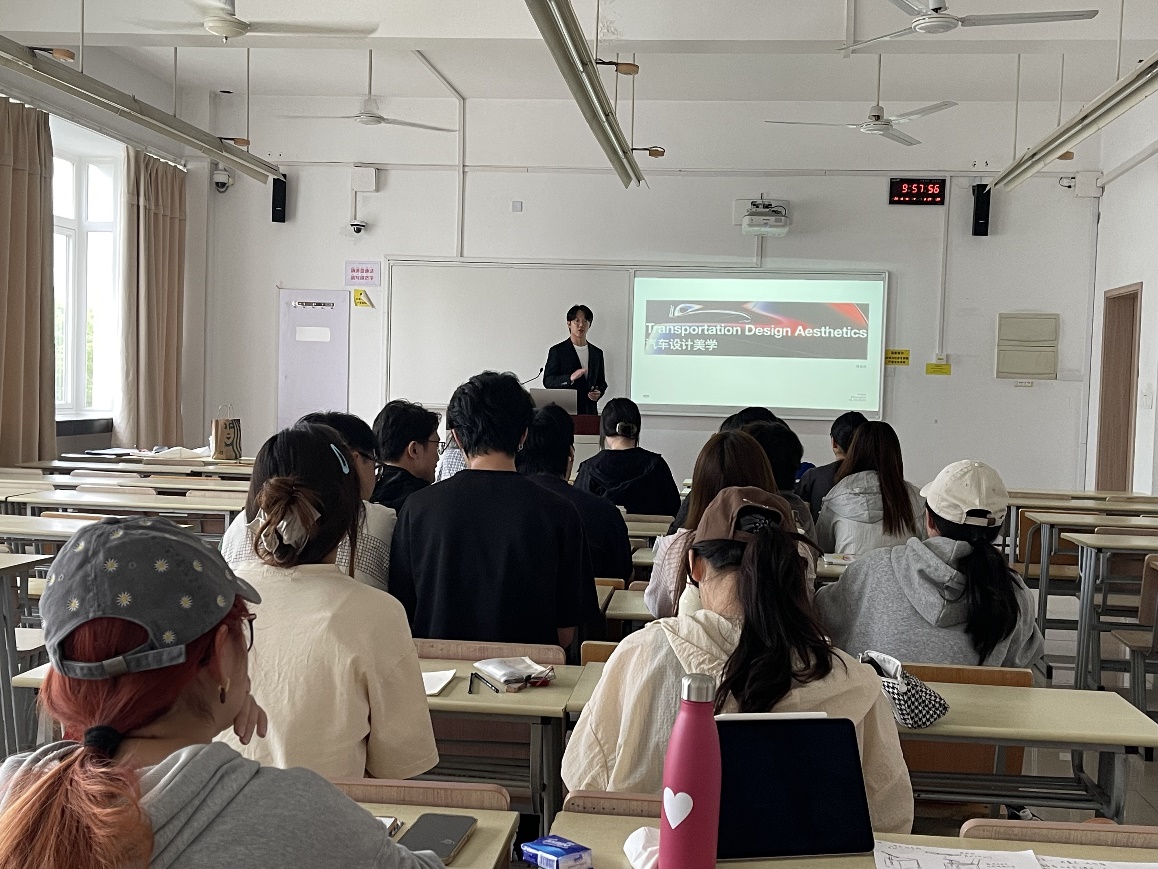
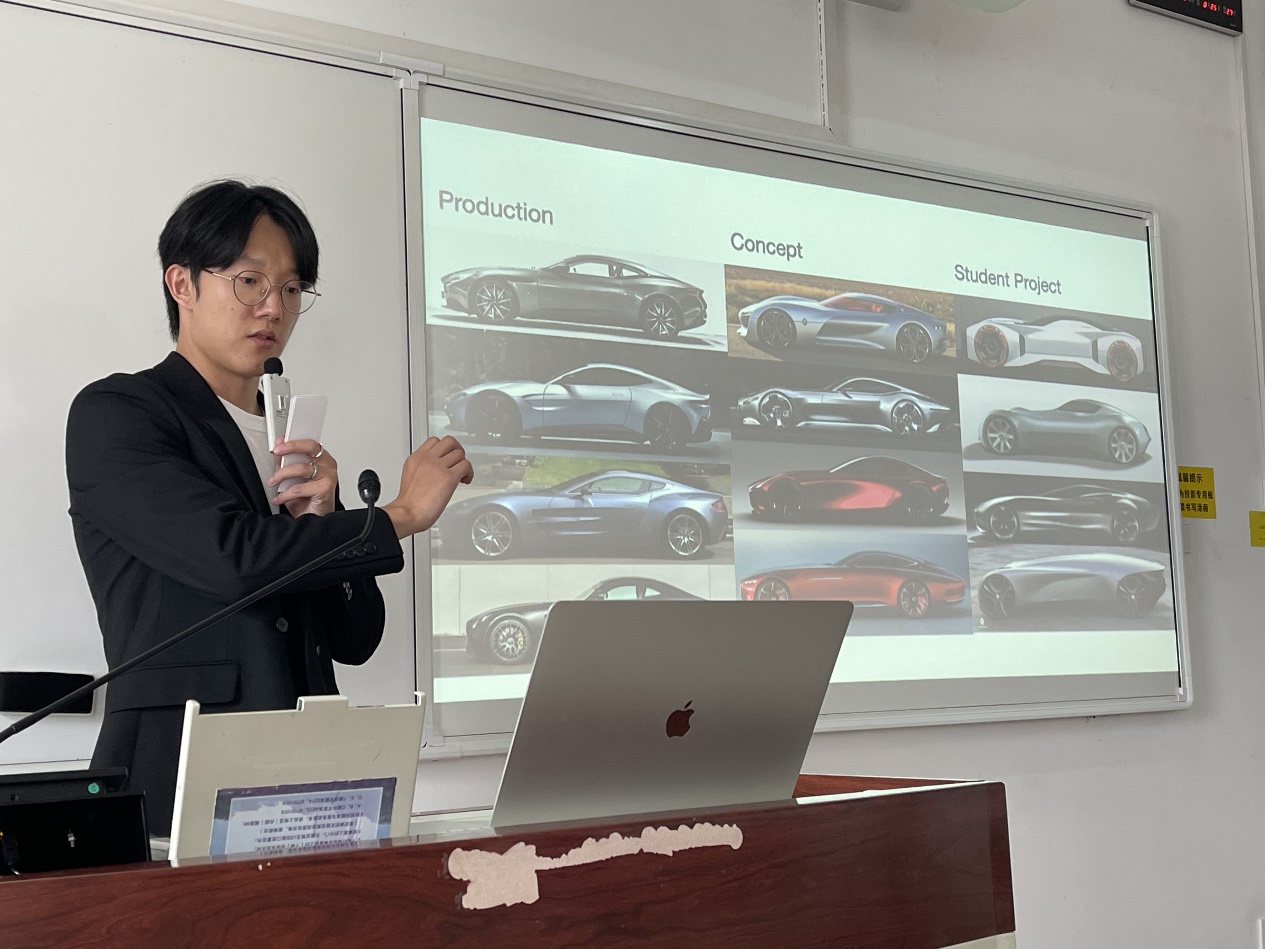
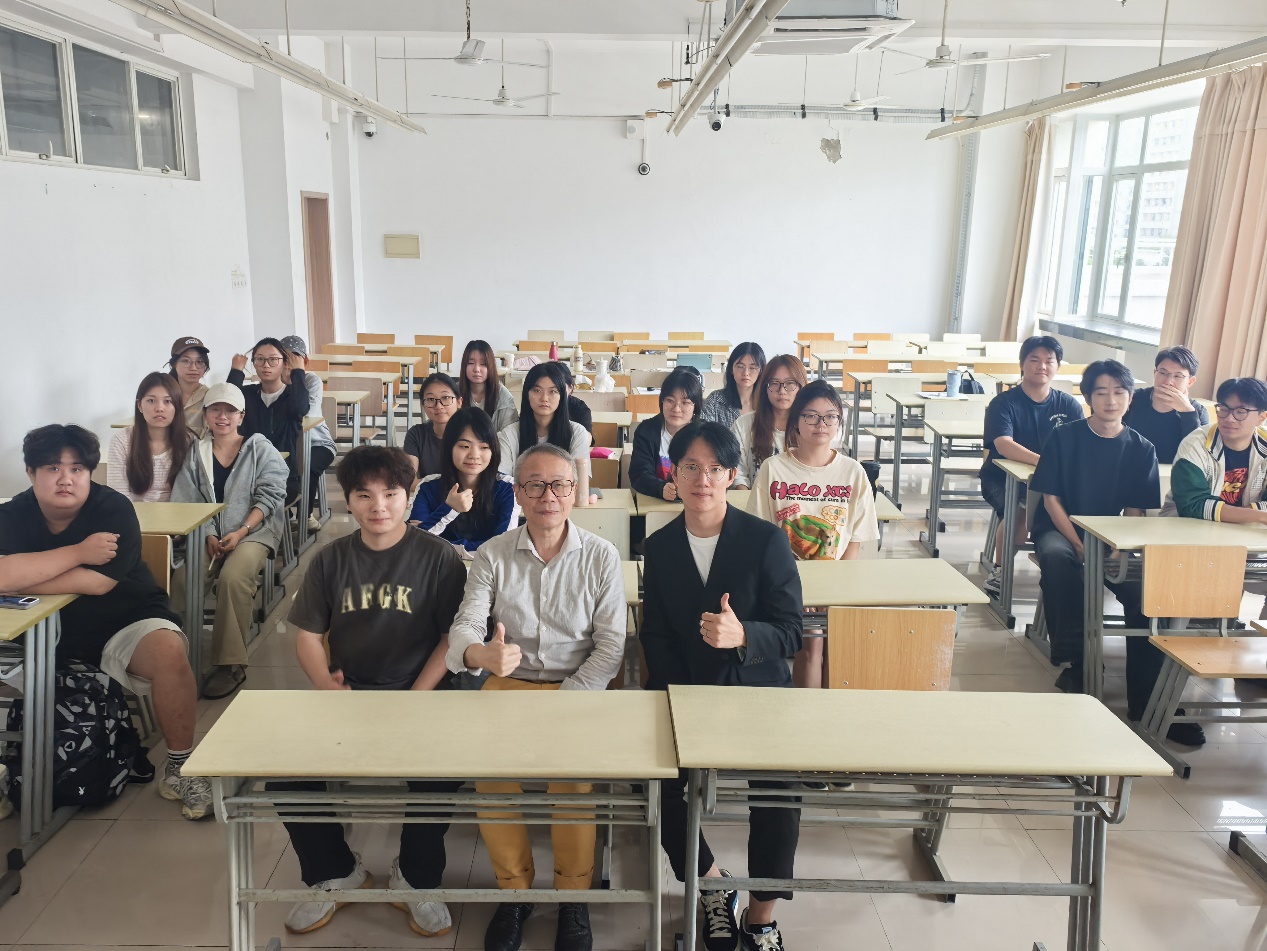
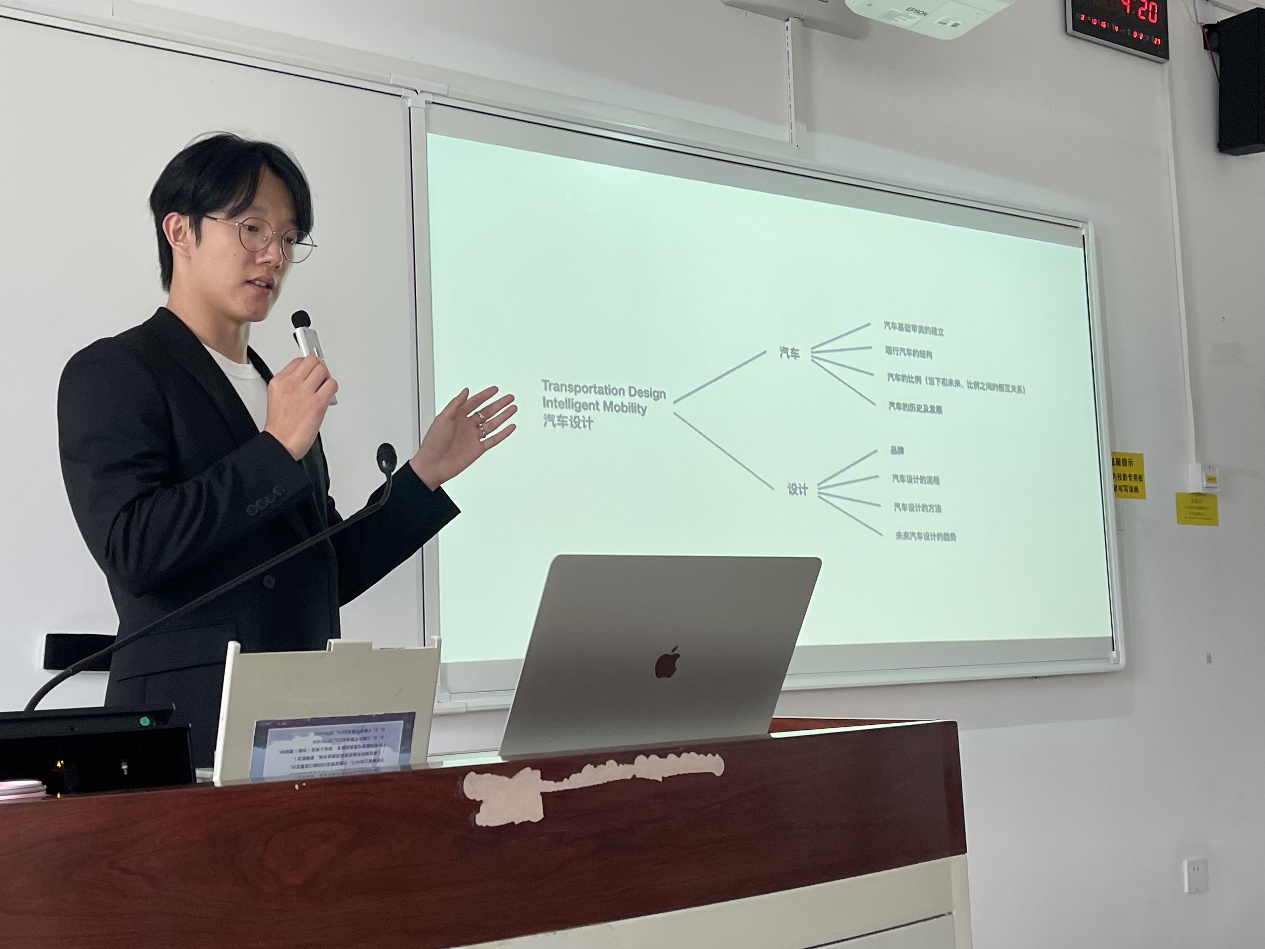
On October 16, 2025, Mr. Zhou Zhiwei, a renowned designer from Shanghai Geely Automobile Co., Ltd., visited the School of Art and Design and delivered a class on "The Industrialization of Product Design" for third-year undergraduate product design students. The session was substantial in content and highly practical. It not only enhanced the students' applied development skills but also deepened their understanding of market demands and the required qualities, sensibilities, capabilities, and breadth of knowledge for a designer. It effectively inspired students' passion for their major, encouraged proactive and enterprising attitudes, and strengthened their competencies, thereby laying the groundwork for students' subsequent participation in enterprise-based factory practice.
Mr. Zhou's lecture covered a wide range of topics, from automotive styling to design processes and methods, the interpretation of automotive design composition, to the formal aesthetics of styling elements and the handling of synergistic relationships. He provided a detailed analysis of the relationship between structure and styling in automotive design. Through interactive sessions with students, he also covered the principles of sketch perspective, the selection of common angles, the expression of designer intent, the Coke Bottle design method, and the coordination and selection of automotive paint and colors. During the Q&A session on "Automotive Design," he shared the design story of the "Geely Galaxy A7," a project he personally led, inspiring patriotic sentiment and a strong will to serve the nation through professional expertise in his exchanges with students.
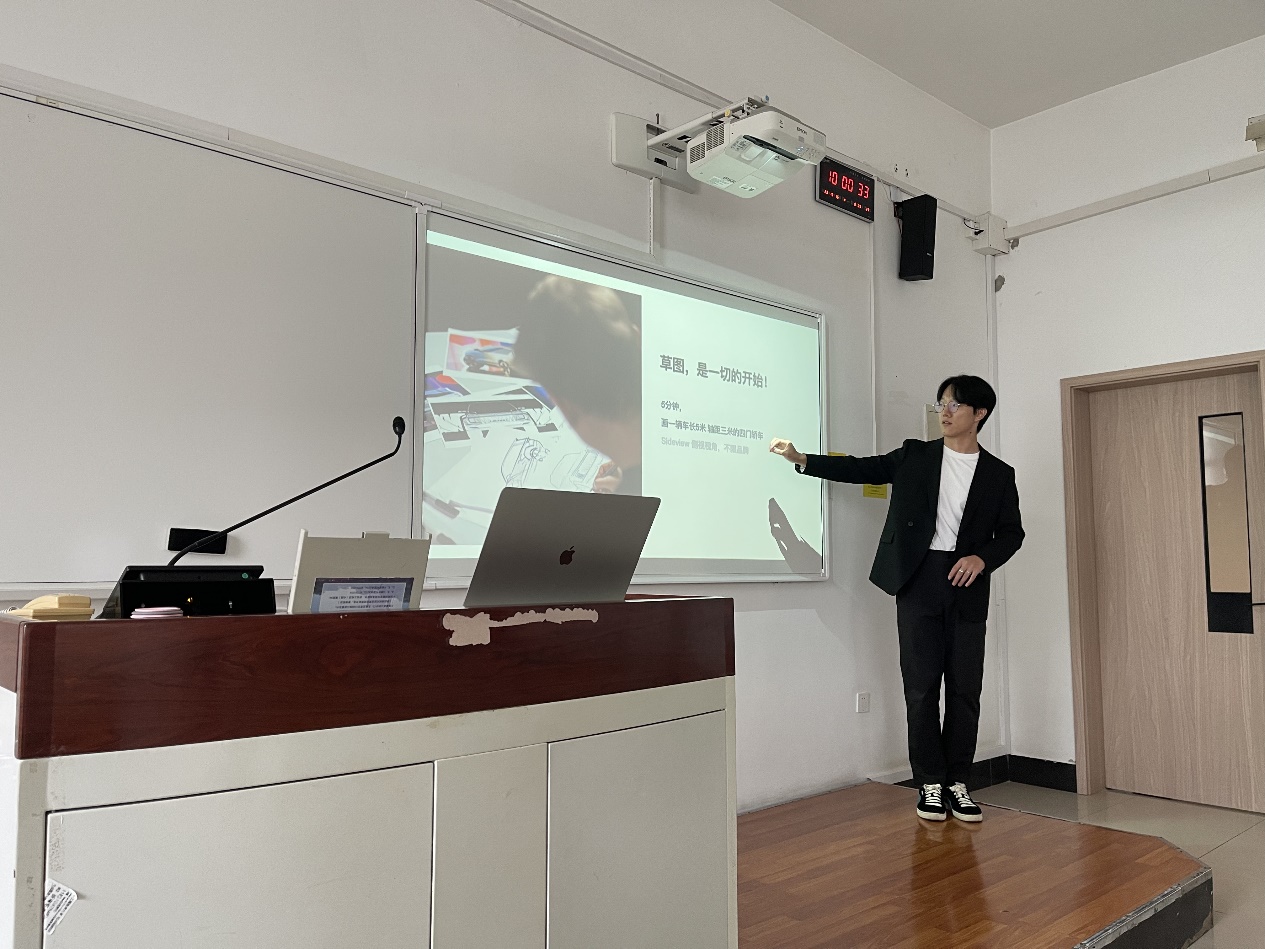
Students reported that such practical activities gave them a deeper understanding of the industrialization of product design and highlighted the importance of teamwork in project execution. They expressed that, for their future career paths, beyond enhancing personal skills, learning how to communicate effectively within teams and meet client needs would be crucial areas for continuous development.
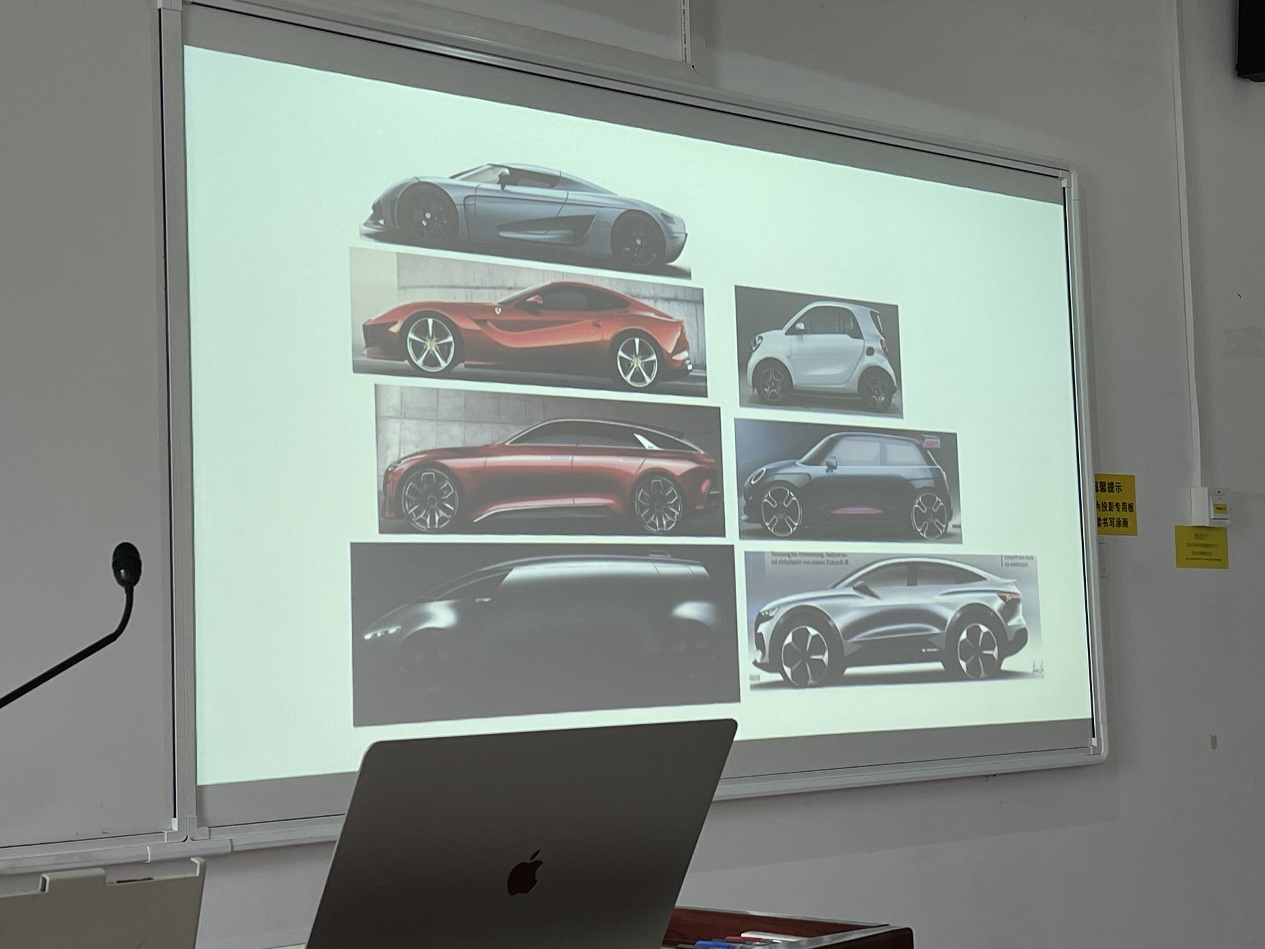
In conclusion, Mr. Zhou reiterated that product design is not merely a demonstration of technical skill but a fusion of art and commercial requirements. As designers, they must possess keen market insight and innovative thinking, along with rich experience in teamwork and project management. Mr. Zhou hopes that through this course, students can broaden their horizons, clarify their career development paths, and lay a solid foundation for future engagement in the high-end equipment and transportation sectors.